
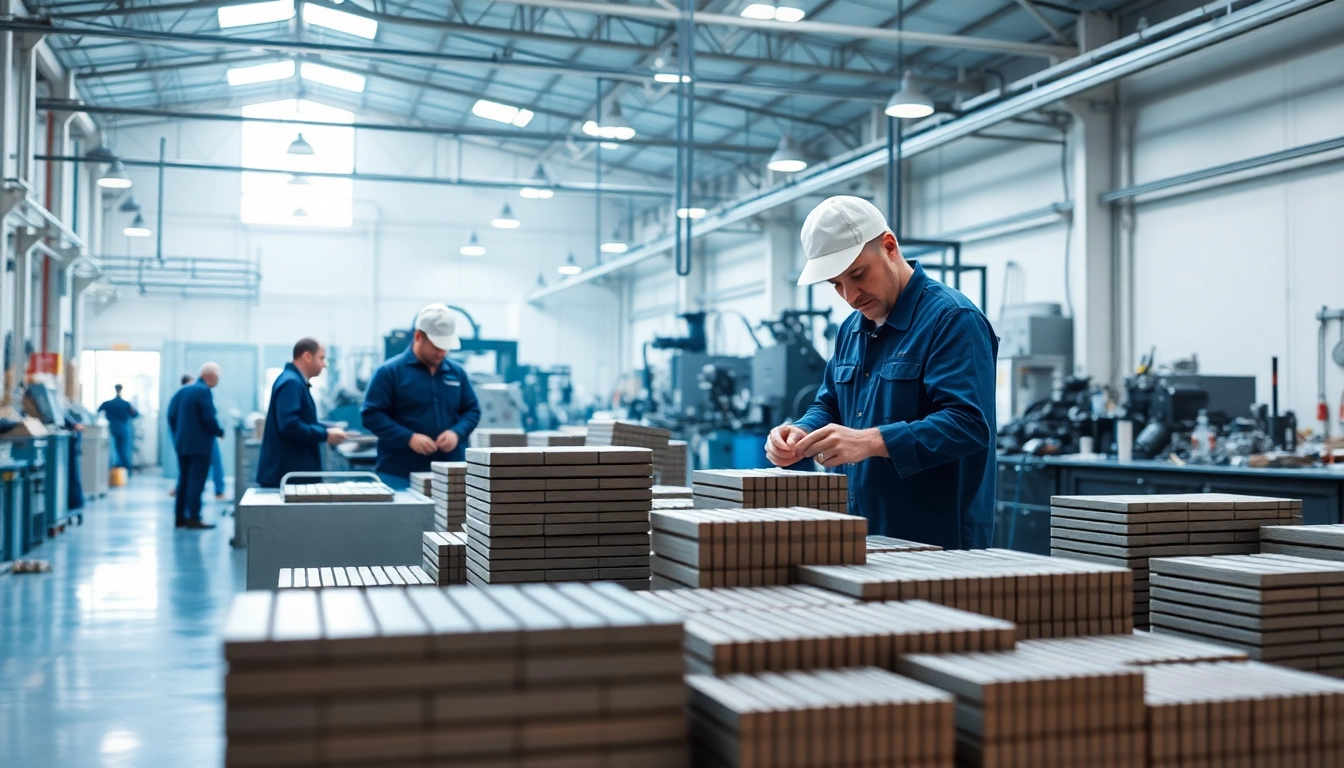
Understanding Ferrite Magnets
What are Ferrite Magnets?
Ferrite magnets, also known as ceramic magnets or hard ferrite magnets, are composed of a mixture of iron oxide (Fe2O3) and strontium carbonate (SrCO3) or barium carbonate (BaCO3). These magnets are highly sought after in various industries due to their low cost and adequate magnetic performance. Developed in the 1950s, ferrite magnets gained commercial viability in the 1960s and have since become a staple in electrical and electronic appliances.
Types of Ferrite Magnets
Ferrite magnets can be classified into two primary categories: isotropic and anisotropic. Isotropic ferrite magnets possess uniform magnetic properties in all directions, making them easier to manufacture. However, they offer lower magnetic strength compared to anisotropic ferrite magnets, which are processed to have a preferred magnetic direction, resulting in greater magnetic strength. The manufacturing process for anisotropic magnets involves aligning the magnetic particles before sintering, thereby enhancing their performance. Furthermore, ferrite magnets can be shaped in various forms, including discs, blocks, and rings, catering to diverse application needs.
Applications of Ferrite Magnets
Ferrite magnets are widely utilized in various sectors due to their versatility and cost-effectiveness. Common applications include:
- Electronics: Many household appliances, including refrigerators, washing machines, and loudspeakers, incorporate ferrite magnets as they provide reliable performance without high production costs.
- Motors: Ferrite magnets are essential components in electric motors, both in industrial machinery and consumer products, providing necessary torque and efficiency.
- Magnetic Assemblies: These magnets are commonly found in magnetic assemblies for sensors, switches, and other devices requiring a magnetic field.
- Toys and Crafts: Ferrite magnets are favored in the toy industry for their safety and non-toxic properties, often used in construction toys and magnetic accessories.
Benefits of Choosing a Ferrite Magnets Manufacturer in China
Cost-Effective Solutions
One of the primary benefits of sourcing ferrite magnets from manufacturers in China is the cost-effectiveness associated with production. The lower labor costs, abundant natural resources, and advanced manufacturing technologies in China allow companies to provide high-quality magnets at competitive prices. This affordability enables businesses to reduce their operational costs while maintaining profit margins, making Chinese manufacturers an attractive option for many enterprises worldwide.
High-Quality Manufacturing Standards
Despite the lower costs, many ferrite magnets manufacturers in China adhere to stringent quality control standards. These manufacturers often employ advanced production techniques, such as precise powder metallurgy processes and state-of-the-art sintering techniques, which ensure the durability and reliability of ferrite magnets. Furthermore, many manufacturers are ISO certified, indicating their commitment to maintaining high-quality manufacturing processes that meet international standards.
Custom Magnet Solutions
Another advantage of partnering with a ferrite magnets manufacturer in China is the ability to obtain custom magnet solutions tailored to specific applications. Many manufacturers offer design and engineering services to create bespoke magnet solutions that meet unique requirements. This includes specific shapes, dimensions, and magnetic strength tailored to the client’s application, helping to optimize performance and efficiency while meeting stringent industry specifications.
Finding the Right Ferrite Magnets Manufacturer in China
Key Factors to Consider
When searching for the right ferrite magnets manufacturer in China, several critical factors must be considered. First and foremost, assess the manufacturer’s production capacity and capabilities. This involves evaluating whether the manufacturer can fulfill the required volume of orders and maintain consistency in quality throughout the production process. Additionally, consider the manufacturer’s experience in the industry, as a well-established manufacturer may possess valuable expertise and knowledge about the nuances of ferrite magnet production.
Industry Certifications and Standards
Look for manufacturers who possess relevant industry certifications and adhere to recognized standards. Certifications such as ISO 9001 (Quality Management Systems) and ISO 14001 (Environmental Management Systems) provide assurances regarding the quality of products and the sustainability of production processes. Ensuring that a manufacturer meets these standards can help mitigate risks and guarantee that products adhere to legal and quality regulations.
Evaluating Manufacturer Capabilities
After narrowing down potential manufacturers, it’s crucial to evaluate their production capabilities in detail. This includes assessing the technology and equipment used in the manufacturing process. Modern equipment can enhance precision and quality, leading to superior end products. Additionally, investigate whether the manufacturer performs rigorous quality assurance tests during production to ensure that the magnets meet required specifications. Checking customer testimonials and case studies can provide further insight into the manufacturer’s reliability and product performance.
Challenges Faced by Ferrite Magnets Manufacturers
Sourcing Raw Materials
One of the significant challenges faced by ferrite magnets manufacturers is sourcing high-quality raw materials. The production of ferrite magnets requires specific grades of iron oxide and strontium or barium carbonate. Disruptions in the supply chain, fluctuations in raw material prices, or the fulfillment of stringent quality requirements can present obstacles to manufacturers. Developing strong relationships with reliable suppliers is crucial for manufacturers to mitigate these risks and ensure a consistent supply of high-quality materials.
Meeting Customer Expectations
As market demands evolve, manufacturers must stay adaptive to meet customer expectations. This may involve increasing production speed, enhancing product quality, or providing comprehensive customer service. The ability to customize products to meet specific industry needs further complicates this expectation. Manufacturers that can foster strong communication with clients and rapidly adjust their production processes are better positioned to fulfill customer requirements and enhance overall satisfaction.
Quality Control Measures
Quality control is paramount in ensuring the integrity and performance of ferrite magnets. Manufacturers are faced with the challenge of implementing effective quality control measures throughout the entire production process. Regular testing and inspections at different production stages help ensure that the final product meets the requisite quality standards. Manufacturers must be proactive in adopting new quality assurance technologies, such as automated testing, to enhance their processes and minimize defects.
The Future of Ferrite Magnets Manufacturing in China
Trends in the Magnet Industry
The global magnet industry is witnessing significant trends shaped by technological advancements and increasing demand for electric vehicles and renewable energy systems. The demand for lightweight, high-strength magnets is growing, prompting manufacturers to innovate and optimize their products. As ferrite magnets are crucial in applications like electric motors, their manufacturing will continue to evolve to meet these industry trends. The integration of the Internet of Things (IoT) and smart technology in magnet production is expected to enhance efficiency, while machine learning and robotics could improve manufacturing precision.
Innovation and Technology Advancements
Innovation is a driving force in the future of ferrite magnets manufacturing. Continued research into new materials and production techniques has the potential to yield ferrite magnets that offer better performance and efficiency. For example, developments in nanotechnology may allow for improved magnetic properties at a lower cost while enhancing sustainability in the manufacturing process. Moreover, advancements such as additive manufacturing (3D printing) may pave the way for more complex shapes and designs previously unattainable, expanding the application potential for ferrite magnets.
Sustainability Practices in Manufacturing
Growing environmental concerns are prompting manufacturers to adopt more sustainable practices in the production of ferrite magnets. This includes efforts to reduce waste, minimize energy consumption, and utilize recyclable materials. By implementing eco-friendly manufacturing techniques, companies can appeal to environmentally-conscious consumers and adhere to regulations aimed at environmental protection. The adoption of lifecycle assessment (LCA) methodologies allows manufacturers to evaluate the environmental impact of their production processes and make informed decisions regarding sustainability improvements.
Ultimately, the role of ferrite magnets in modern applications is substantial, particularly in enhancing energy efficiency and reducing costs. By navigating the complexities of choosing the right ferrite magnets manufacturer in china, industries can leverage the many benefits provided by these essential components while being prepared for the evolving landscape of magnet technology and production practices.