Understanding Structural Steel Construction
What is Structural Steel Construction?
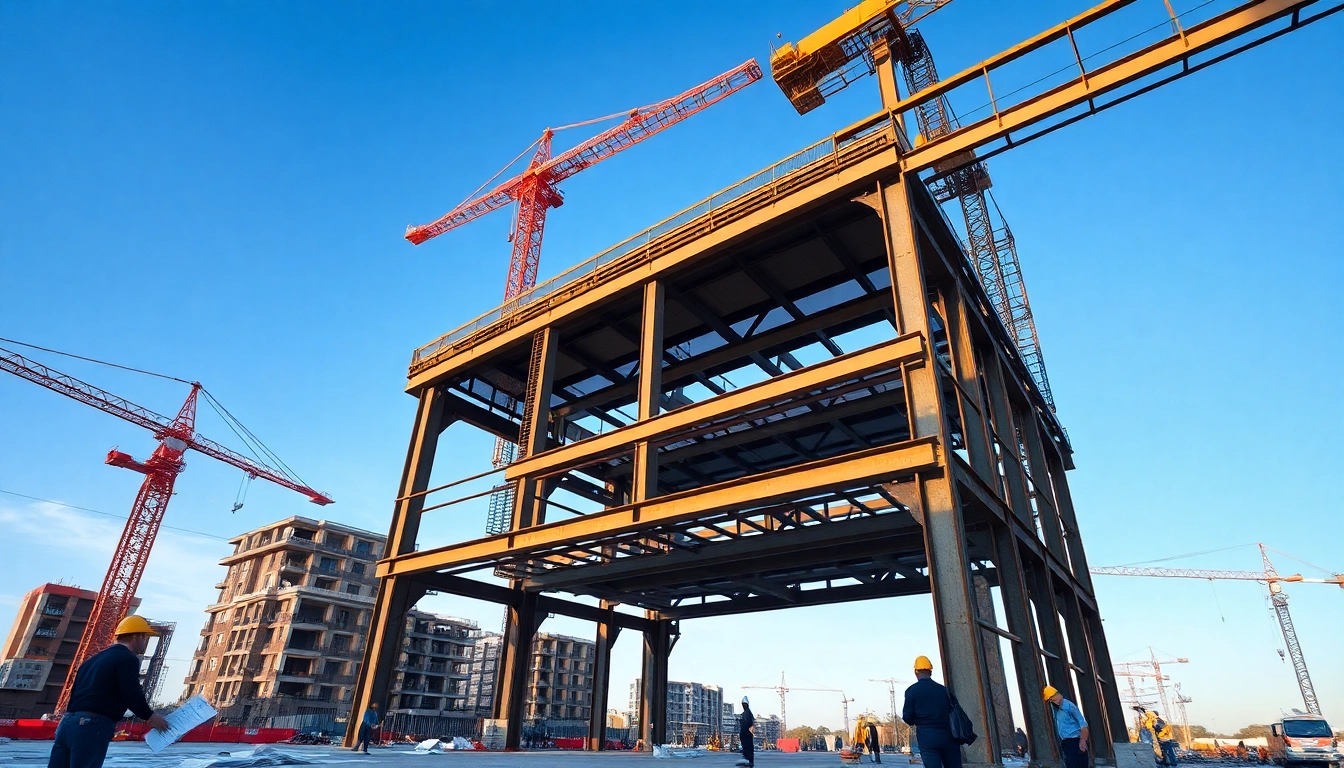
Structural steel construction encompasses the design and assembly of steel framework used to support buildings and structures. Characterized by its high strength-to-weight ratio, structural steel offers incredible versatility, making it an essential component in modern architecture. This method of construction utilizes various shapes and sizes of steel beams and columns, allowing for durable, robust support capable of withstanding significant loads and forces. By incorporating structural steel construction, builders can achieve both aesthetic and functional objectives in a cost-effective and timely manner.
Key Benefits of Structural Steel Construction
More than just a building material, structural steel construction brings numerous advantages that enhance project efficiency and longevity. Key benefits include:
- Durability: Steel is resistant to various environmental stresses, including fire, insects, and rot, resulting in longer lifespan and reduced maintenance.
- Cost-Effectiveness: Fast construction times translate to lower labor costs and quicker project turnover, providing significant savings.
- Design Flexibility: The material allows for expansive open spaces and innovative designs, catering to creative architectural visions.
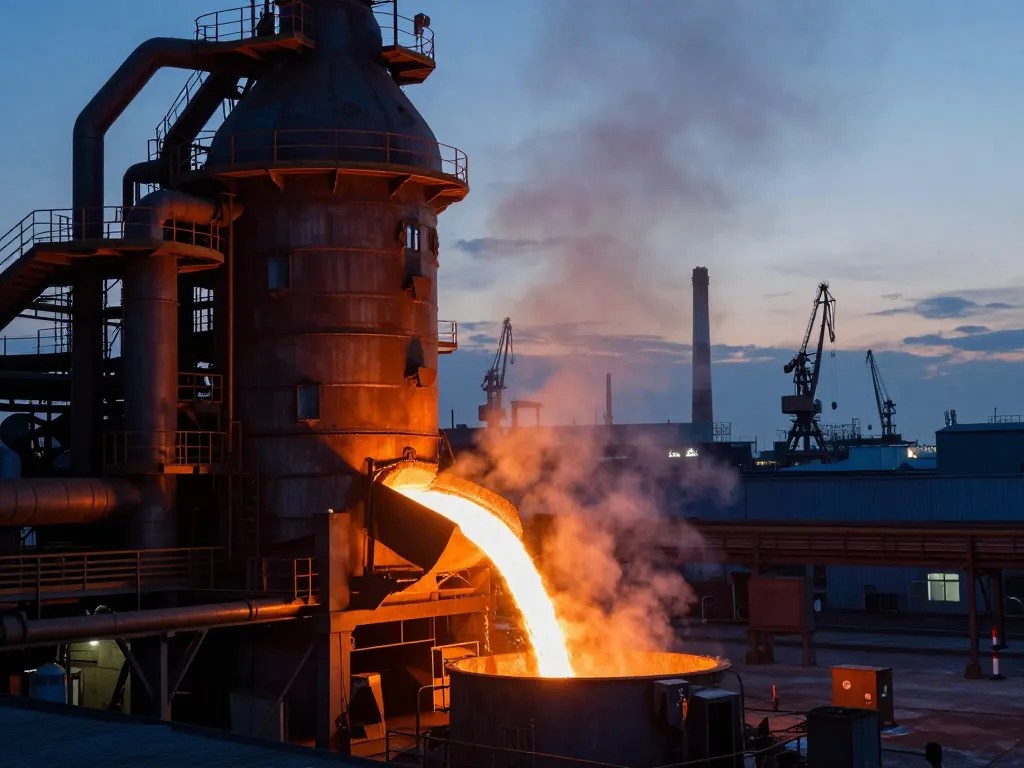
- Sustainability: Steel is recyclable, reducing waste and supporting sustainable building practices.
Common Applications in Building Projects
Structural steel's versatility enables its application across a broad spectrum of construction projects. Common uses include:
- Commercial Buildings: High-rises and office buildings benefit from structural steel's ability to provide strong support over large spans.
- Bridges: The strength of steel ensures the safety and durability of bridge frameworks, capable of enduring heavy traffic loads.
- Industrial Structures: Warehouses and factories leverage the easy assembly and flexibility of steel for efficient interior layouts.
- Residential Homes: Increasingly, builders utilize structural steel for homes, enhancing design flexibility while ensuring structural integrity.
Essential Materials and Tools
Types of Structural Steel Used
Several types of steel are employed in structural applications based on project requirements. Key types include:
- Carbon Steel: Known for its strength and affordability, carbon steel is the most commonly used structural material.
- Alloy Steel: Enhanced with elements like chromium and nickel, alloy steel provides additional durability and resistance to different conditions.
- Stainless Steel: Ideal for environments exposed to moisture and corrosives, stainless steel is valued for its aesthetic appeal and resistance to tarnishing.
- High-Strength Low-Alloy (HSLA) Steel: This type is engineered for improved strength and resistance while maintaining a lighter weight.
Must-Have Tools for Structural Steel Construction
To effectively execute structural steel construction, various tools and equipment are crucial:
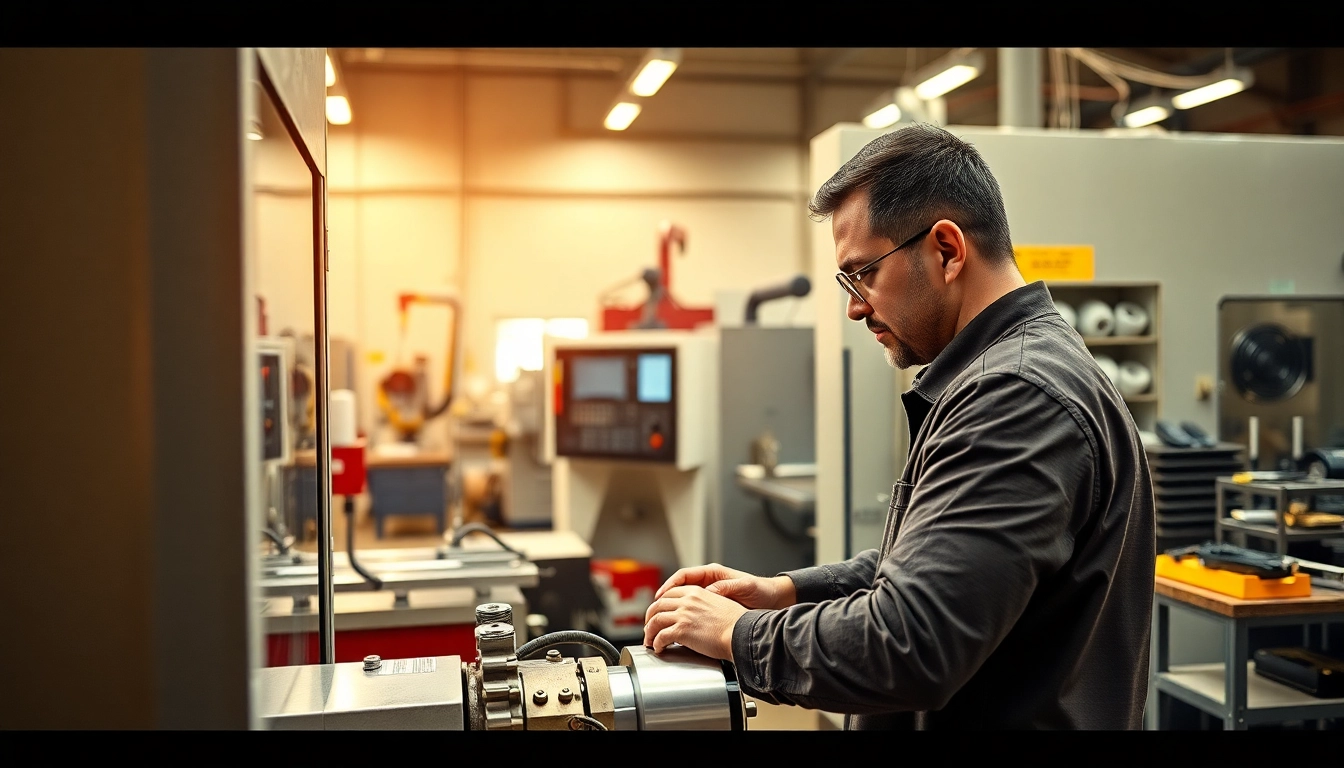
- Welding Equipment: Essential for joining steel components securely, ensuring structural integrity.
- Cutting Tools: Plasma and torch cutters efficiently shape steel to specified dimensions.
- Crane Systems: Necessary for lifting and moving heavy steel sections into position.
- Measuring and Layout Tools: Accurate measurements are vital for correct alignment; tools such as lasers and levels assist in this process.
Safety Gear and Best Practices
Ensuring worker safety is paramount in structural steel construction. Appropriate safety gear includes:
- Hard Hats: Protect against head injuries from falling objects.
- Gloves and Eye Protection: Shield hands and eyes from sharp edges and welding sparks.
- High-Visibility Vests: Enhance worker visibility on busy construction sites.
- Steel-Toed Boots: Provide foot protection from heavy objects that could cause injury.
Best practices should be implemented, such as regular safety training, site inspections, and adherence to OSHA regulations, to maintain a safe working environment.
Project Planning and Execution
Steps to Plan a Structural Steel Construction Project
Planning is crucial to the success of any construction project. Key steps include:
- Define Project Scope: Clearly outline the objectives, timeline, and budget.
- Design and Engineering: Develop detailed architectural and engineering plans that meet building codes and regulations.
- Secure Necessary Permits: Obtain all required permits before commencing construction.
- Procurement: Source high-quality materials and tools necessary for the project.
- Assemble the Team: Assemble a skilled workforce, including site managers, steelworkers, and safety personnel.
Scheduling and Budgeting Considerations
Effective scheduling and budgeting are essential to avoid delays and overruns. Consider the following:
- Project Timeline: Develop a Gantt chart outlining critical milestones and deadlines for each phase.
- Cost Estimation: Perform a detailed cost analysis including materials, labor, equipment, and contingencies.
- Resource Allocation: Ensure the availability of materials and workforce according to the scheduled activities.
Managing Resources Effectively
Successful project management requires effective resource use:
- Tracking Progress: Use project management software to monitor progress and make adjustments as necessary.
- Communication: Maintain clear lines of communication among all team members to address issues promptly.
- Change Management: Be prepared to address unforeseen circumstances without derailing project timelines.
Quality Control and Safety Measures
Implementing Quality Control in Structural Steel Construction
Quality control is critical to ensuring that construction adheres to standards and specifications. Key quality measures include:
- Regular Inspections: Conduct frequent inspections at different construction stages to verify adherence to quality standards.
- Testing: Implement material testing procedures to assess the strength and integrity of steel components.
- Documentation: Keep detailed records of inspections and tests to trace quality throughout the project lifecycle.
Importance of Safety Protocols
Establishing robust safety protocols prevents accidents and promotes a safe working environment:
- Emergency Procedures: Develop and communicate clear emergency procedures for various scenarios.
- Regular Training: Provide ongoing safety training to keep workers updated on safety practices.
- Incident Reporting: Implement a system for reporting accidents or near misses to analyze and improve safety measures.
Training Workers for Safety Compliance
Training programs should focus on the following:
- Orientation: New employees should undergo safety orientation before beginning work.
- Ongoing Education: Conduct regular workshops and drills to reinforce safety training.
- Certification Programs: Encourage workers to participate in safety certification courses for specialized training.
Future Trends in Structural Steel Construction
Advancements in Steel Technology
The future of structural steel construction is poised for significant advancements. Innovations may include:
- Smart Steel: Integrating sensors into steel structures for real-time monitoring of stress and integrity.
- 3D Printing: Utilizing additive manufacturing to create custom steel components, minimizing waste.
- Lightweight Alloys: The development of new alloys that retain strength while reducing weight.
Sustainability Practices in Construction
As sustainability becomes a priority, the steel construction industry is adopting various eco-friendly practices:
- Recycling: The ability to recycle steel minimizes environmental impact.
- Energy Efficiency: Incorporating energy-efficient designs into steel structures to reduce overall energy consumption.
- Green Building Certifications: Pursuing certifications like LEED to promote sustainable construction practices.
Innovative Design in Structural Steel Architecture
Architectural innovation is paving the way for exciting structural designs, including:
- Parametric Design: Using algorithmic design principles, architects can explore unique forms and structures.
- Mixed-Use Developments: Combining commercial, residential, and recreational spaces creates multifunctional environments.
- Bio-Inspired Structures: Nature-inspired designs that mimic biological forms enhance both aesthetics and function.
FAQs About Structural Steel Construction
What is the primary advantage of using structural steel?
The main advantage of structural steel is its combination of strength, durability, and flexibility, allowing for innovative architectural designs.
How long does a structural steel construction project take?
The duration depends on project complexity, but typically, structural steel projects are completed faster than traditional methods due to prefabrication and quick assembly.
Are there environmental concerns with structural steel?
While steel production has environmental impacts, recycling practices and sustainable sourcing efforts significantly reduce its ecological footprint.
What safety regulations should be followed in steel construction?
OSHA regulations outline safety protocols, including proper gear, training, and emergency procedures, ensuring a safe work environment.
Is structural steel construction more expensive than other materials?
While the initial cost may be higher, the speed of construction and long-term durability often lead to cost savings compared to other materials.