Understanding the Importance of Trade Show Booth
Definition and Purpose of a Trade Show Booth
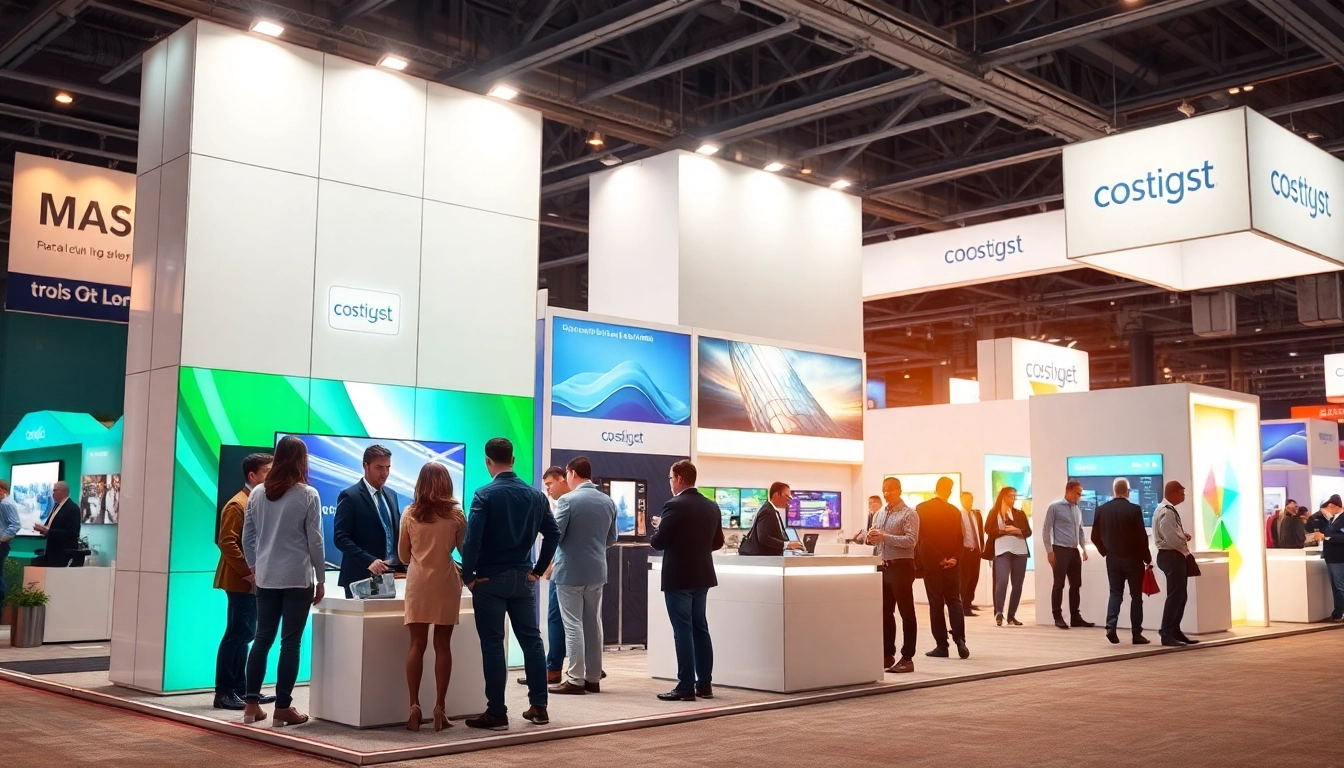
A trade show booth serves as a physical representation of a brand at events such as trade shows, conventions, and exhibitions. It is designed to promote products or services, engage potential clients, and facilitate networking. The effectiveness of a booth significantly impacts a company’s visibility and perception in the marketplace.
Key Benefits of a Well-Designed Trade Show Booth
The benefits of an effective trade show booth cannot be overstated. First and foremost, it creates a professional image that communicates trustworthiness and quality to potential customers. It also acts as a focal point for attendees, drawing them in and compelling them to learn more about the products or services being offered. A well-designed booth can enhance brand recognition and recall, allowing businesses to stand out amid the competition. Additionally, it can foster direct engagement with attendees, opening the door to possible partnerships and sales opportunities.
Common Misconceptions About Trade Show Booths
Despite the obvious advantages of having a trade show booth, several misconceptions persist. One prevalent myth is that only large corporations can benefit from elaborate booths, while small businesses believe they cannot make a significant impact without a hefty investment. In reality, effective design and strategy are more crucial than size, allowing businesses of any scale to succeed. Another misconception is that trade show booths only serve a promotional purpose; however, they also play a critical role in gathering valuable market insights through interactions with attendees.
Essential Components of a Successful Trade Show Booth
Visual Elements: Graphics and Branding
Visual elements such as graphics and branding identity are paramount in catching the eye of potential customers. High-quality images, impactful logos, and bold colors can draw attendees’ attention and communicate the brand’s message even from a distance. Companies should ensure that their visual materials are consistent across all platforms to reinforce brand identity. Utilizing digital displays or interactive screens can further enhance visual engagement and provide updated information that captures the audience’s interest.
Structural Features: Layout and Design
The physical structure of a trade show booth should be well thought out, facilitating both the flow of traffic and the interaction between representatives and visitors. A well-planned layout typically includes distinct areas for different activities, such as product demonstrations, information dissemination, and networking. Incorporating modular designs can offer flexibility, allowing businesses to adapt their layouts based on different event spaces. Elements like adjustable lighting and portable furniture can also contribute to creating an inviting atmosphere.
Interactive Elements: Enhancing Engagement
In today’s competitive trade show environment, interactive elements are essential for enhancing engagement. Incorporating activities such as contests, live demonstrations, or virtual reality installations can attract attendees to the booth, encouraging more meaningful interactions. These experiences not only entertain but also educate potential clients about the product, making it easier for them to remember the brand and its offerings. Interactive technology like touchscreens or augmented reality apps can further provide an innovative edge that captivates visitors.
Best Practices for Trade Show Booth Setup
Effective Space Utilization Techniques
Maximizing space in a trade show booth is vital to fostering visitor interaction. Businesses should analyze their booth dimensions and design a layout that encourages easy movement without overcrowding. Consider using vertical space for displays and materials to create an enticing atmosphere. Strategically placing products and informational pamphlets at different heights can also increase visibility while encouraging attendees to engage with various features of the booth.
Creating a Welcoming Atmosphere
A welcoming atmosphere is crucial for attracting and retaining visitors. This can be achieved through thoughtful design elements, including comfortable seating areas, inviting colors, and friendly signage. Staff should be well-trained not only in product knowledge but also in maintaining a warm and welcoming demeanor. Offering refreshments or other small perks can also enhance the visitor experience, encouraging them to spend more time exploring the booth.
Staff Training for Optimal Interaction
The effectiveness of a trade show booth heavily relies on the people behind it. Staff members should be knowledgeable, attentive, and approachable, providing meaningful interactions with visitors. Training should focus on communication skills, product information, and strategies for engaging potential clients effectively. Additionally, staff should be encouraged to listen actively to feedback and questions, allowing for a more personalized approach to each interaction.
Evaluating Trade Show Booth Performance
Setting Goals and Measuring Success
Before participating in a trade show, businesses should establish clear goals to define what success looks like. Goals may include generating a specific number of leads, increasing brand visibility, or making sales on-site. Measurement tools, such as lead tracking systems or post-show surveys, can provide insights into how well these goals were met. Evaluating both qualitative and quantitative data will help businesses understand the effectiveness of their booth and strategies employed.
Gathering Audience Feedback and Insights
Capturing feedback from attendees is a valuable practice that can guide future event strategies. Surveying visitors post-event, whether through email or through follow-up calls, enables businesses to gather insights on their perceptions of the booth, the staff’s effectiveness, and the overall experience. This feedback loop is instrumental in refining and improving booth design and engagement tactics for subsequent events.
Post-Event Analysis and Continuous Improvement
After the event concludes, businesses should conduct a thorough analysis of their performance. This includes reviewing feedback, measuring the results against the previously set goals, and assessing lead quality. Insights gained from this analysis should be utilized to iterate and improve future trade show strategies and booth designs. Continuous improvement ensures that businesses stay competitive and responsive to the evolving market landscape.
Trends in Trade Show Booth Design
Incorporating Sustainability in Booth Design
With growing awareness of environmental issues, incorporating sustainability into booth design has become increasingly important. Brands are now opting for materials that are eco-friendly, like recyclable or biodegradable components. Designs also focus on creating booths that can be reused at multiple events or easily disassembled for recycling. This commitment to sustainability not only reduces environmental impact but can also resonate with eco-conscious consumers, enhancing brand reputation.
Leveraging Technology for Enhanced Experiences
Technology continues to play a critical role in shaping modern trade show booths. Virtual reality experiences, touch-screen displays, and integrated social media feeds are just a few ways that businesses are leveraging technology to create engaging environments. Furthermore, real-time data analytics can track visitor interactions and inform attendees about product features and highlights, making the booth experience more engaging and information-rich.
Future Trends and Innovations in Trade Show Booths
The future of trade show booths looks promising with ongoing innovations and shifting attendee expectations. As interactive and immersive experiences gain traction, companies will likely invest more in creating booths that tell a compelling brand story. Advanced lighting techniques, sensory experiences like scents and sounds, and integration with mobile apps for personalized attendee experiences are becoming essential. Additionally, the continued rise of hybrid events is prompting businesses to consider both physical and digital engagement strategies in their booth designs.