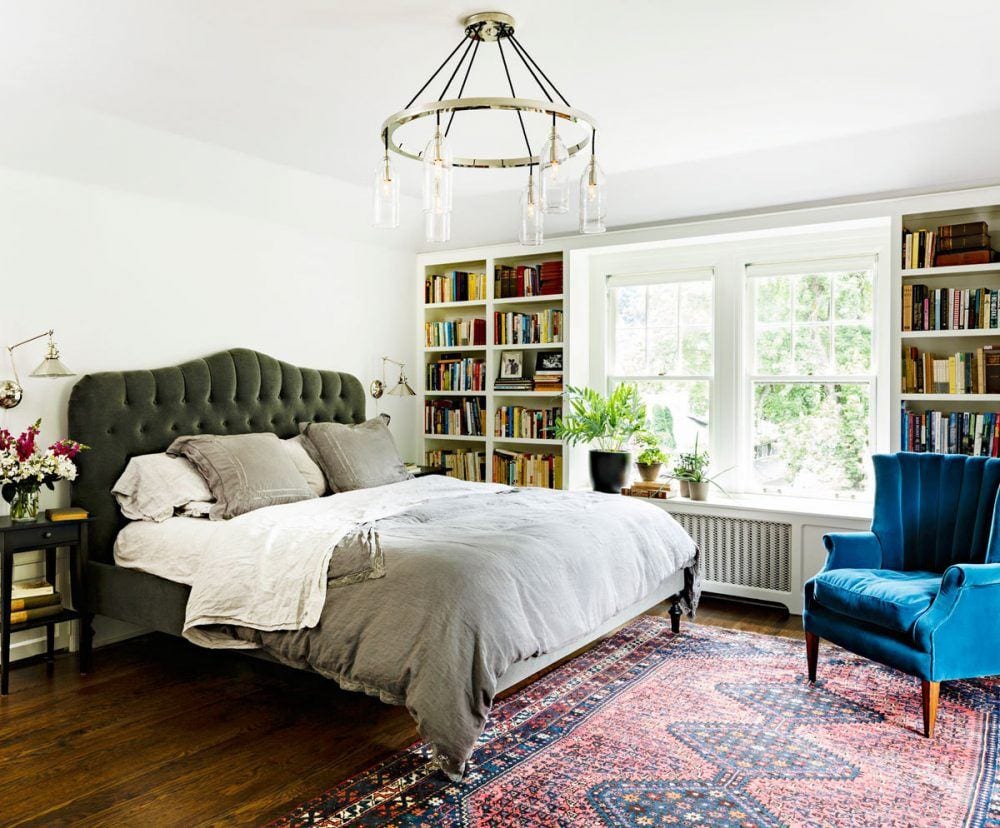

Understanding the Cape Cod Home Aesthetic
The beauty of a cape cod home lies in its simplicity and functionality. These structures, steeped in history, reflect the unique coastal surroundings of New England while embodying timeless design principles that continue to resonate with homeowners today. The Cape Cod aesthetic merges form and function in a way that is both practical and charming, leading to an enduring popularity that has evolved over the years.
Key Features of Cape Cod Architecture
Classic Cape Cod homes showcase several signature architectural features that define their unique look:
- Steep Rooflines: The iconic pitched roof provides water runoff and enhances the home’s rustic appeal.
- Dormer Windows: These structures extend the living space and allow natural light to flood the upper levels.
- Symmetrical Facades: The clean lines and balance of design create a visually pleasing aesthetic.
- Narrow Clapboard Siding: Traditionally made from wood, this feature gives the home its classic coastal character.
- Fireplace: Central to the design, chimneys and fireplaces offer warmth and a focal point for gatherings.
Incorporating Modern Elements
While maintaining the traditional aspects of the Cape Cod design, integrating modern elements can enhance both function and style. Here are some ideas:
- Open Floor Plans: Adopt a more open layout that promotes flow and makes the most of the available space.
- Sustainable Materials: Use eco-friendly materials that enhance durability while complementing the home’s original charm.
- Smart Home Technology: Integrate smart systems for security, climate control, and energy efficiency that modern homeowners desire.
- Large Windows: Incorporate expansive glass doors and windows to create a connection with the surrounding environment.
Benefits of Expanding Your Space
Homeowners often find themselves needing more space. Expanding your cape cod home can offer numerous advantages:
- Increased Property Value: Expansions can greatly enhance the value of your property, making it a worthwhile investment.
- Improved Functionality: More space means better functionality for families, whether adding bedrooms, bathrooms, or living areas.
- Customization: An expansion can allow homeowners to fulfill their specific needs and preferences, from additional storage to larger entertainment spaces.
- Modernization: Updating or expanding can integrate modern designs, making the home more inviting and usable.
Designing Your Attached Garage
A well-planned attached garage not only enhances the practicality of your cape cod home but also contributes to its aesthetic appeal. Here’s how to design a space that works for you:
Choosing the Right Size and Style
When it comes to size, consider your needs. Will you store just one vehicle, or do you need space for tools, bicycles, and recreational items? The style of the garage should harmonize with the existing home, typically reflecting the same architectural characteristics:
- Single-Car Garage: Ideal for a smaller Cape Cod, providing essential vehicle storage without overwhelming the property.
- Two-Car Garage: Best for larger families or households with multiple vehicles; it can create significant added value.
- Workshop Space: Incorporating a workspace in the garage can provide additional utility, merging functionality with flexibility.
Materials for Durability and Appearance
Choosing quality materials will ensure your garage withstands the elements while maintaining visual appeal. Consider the following:
- Wood: Offers a classic look that blends with the home’s exterior but may require regular maintenance.
- Vinyl: Low maintenance and resistant to fading, making it an excellent choice for durability.
- Brick or Stone: Provides a robust structure and enhances curb appeal if designed to complement the house.
Integrating with Existing Structures
Seamless integration is key to a successful attached garage. Ensure architectural cohesion by:
- Matching Rooflines: Adhere to the steep slopes typical of Cape Cod architecture to ensure a unified look.
- Coordinating Colors: Use paint or materials that align with the home’s existing palette, maintaining overall harmony.
- Complementing Windows and Doors: Select similar styles to ensure consistency with other outdoor openings.
Landscaping Around Your Cape Cod Home
Landscaping is more than just aesthetics; it can enhance the environment of your cape cod home while providing multiple functional benefits. Here are key considerations:
Creating a Harmonious Outdoor Space
Your landscaping should reflect the Cape Cod aesthetic while addressing practical needs:
- Use Natural Elements: Stone pathways, wood fences, and natural boulders can enhance the coastal feel.
- Define Areas: Use plants to create zones for relaxation, dining, or play, making the space user-friendly and inviting.
- Maintain Open Sightlines: Strategic planting ensures a clear view of the home and fosters an inviting atmosphere.
Choosing Native Plants for Sustainability
When selecting plants for your landscaping, consider native species that require less maintenance and water:
- Beach Grass: Excellent for erosion control and adds a coastal flair.
- Rugosa Rose: Hardy and beautiful with fragrant flowers that attract pollinators.
- Bayberry: A hardy shrub that can thrive in poor soils, providing habitat for birds.
Balancing Hardscape and Softscape
A successful landscape blends hardscape (patios, walkways) with softscape (plants, grassy areas). Consider these tips:
- Proportion: Ensure that hardscape installations don’t overwhelm natural plantings.
- Function: Create pathways and outdoor areas that enhance usability and flow, especially around the garage and entryways.
- Visual Interest: Incorporate variations in height and texture with both hardscape and softscape elements.
Maximizing Energy Efficiency in Your Home
In the era of sustainable living, energy efficiency is paramount for homeowners of cape cod homes. From materials to architectural designs, every aspect plays a role:
Insulation Techniques for Cape Cod Homes
Proper insulation ensures your home remains comfortable year-round while minimizing energy costs. Consider these techniques:
- Attic Insulation: Making sure attics are well-insulated prevents significant heat loss.
- Wall and Floor Insulation: Filling these spaces can further enhance energy preservation.
- Energy-Efficient Windows: Installing double-glazed units can minimize heat transfer and enhance comfort.
Renewable Energy Options
Exploring alternative energy sources can further reduce your utility bills and carbon footprint:
- Solar Panels: Harnessing solar energy can provide substantial savings on energy bills.
- Geothermal Heating: This method uses the earth’s natural temperature to heat or cool your home efficiently.
- Wind Turbines: Depending on your location, wind turbines can supplement your energy needs sustainably.
Benefits of Energy-Efficient Design
Efficient design goes beyond saving money; there are broader benefits associated with energy conservation:
- Enhanced Comfort: A well-insulated home stays warmer in the winter and cooler in the summer.
- Reduced Carbon Footprint: Decreasing energy consumption plays a significant role in environmental sustainability.
- Long-Term Savings: Although the initial investment may be higher, the savings on utility bills can be significant over time.
Frequently Asked Questions about Cape Cod Homes
What are the key characteristics of a Cape Cod home?
Cape Cod homes typically feature steep roofs, dormer windows, and symmetrical facades, balancing charm with practicality.
How can I expand my Cape Cod home?
Consider adding an attached garage or extending your living space; this can greatly enhance both functionality and appeal.
What landscaping works best for Cape Cod homes?
Opt for native plants and coastal-friendly designs to create an inviting outdoor space that harmonizes with your home.
How does energy-efficient design benefit Cape Cod homes?
Energy-efficient design promotes lower utility bills, enhances comfort, and contributes to sustainable living.
What materials should I use in my remodel?
Traditional materials like wood shingles and stone reflect Cape Cod’s history while ensuring durability in modern designs.