Understanding Event Videography
What is Event Videography?
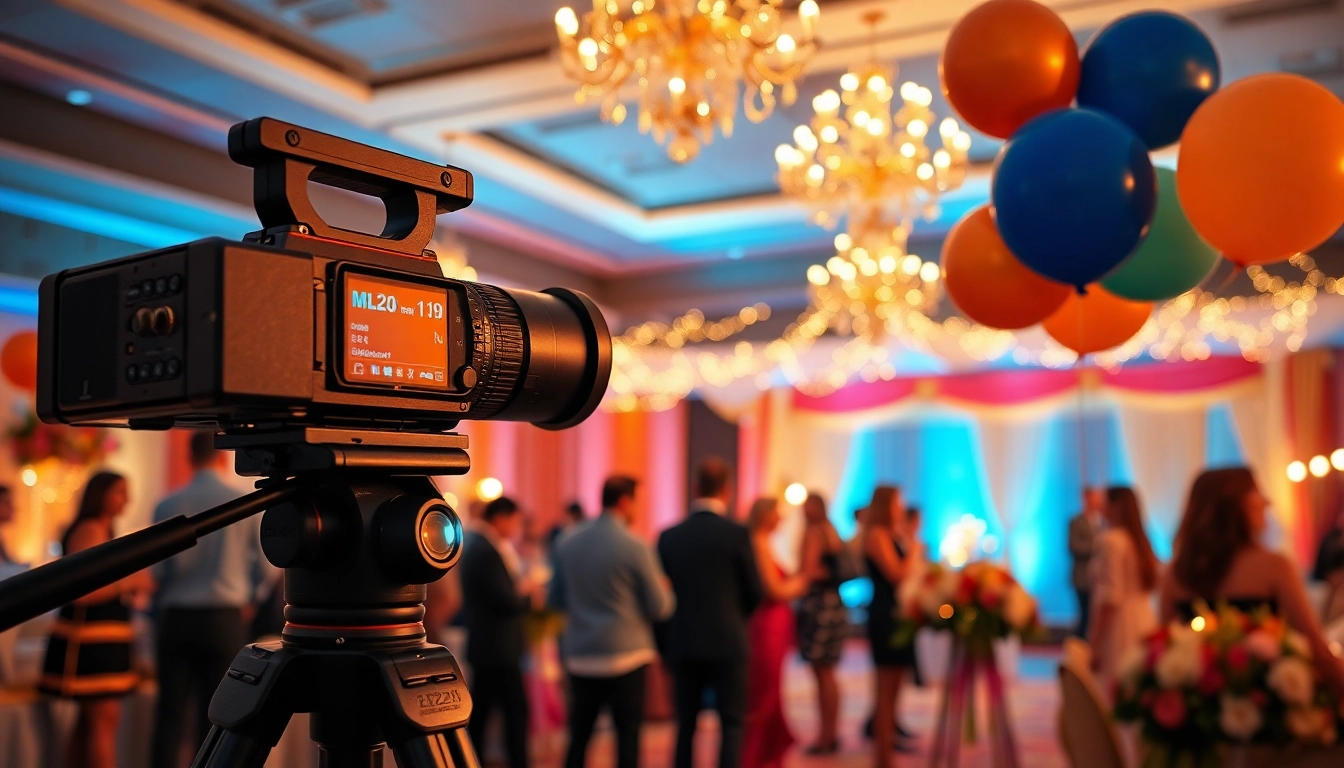
Event videography is a specialized field of video production focused on capturing and documenting live events. Whether it’s a corporate gathering, a trade show, a wedding, or a community festival, event videography involves the skilled art of framing moments that reflect the atmosphere, emotions, and key happenings of the day.
Unlike traditional filmmaking, which often tells a scripted story, event videography is more spontaneous and requires a keen eye for detail. Videographers must be adept at blending into the background while effectively documenting the event. This involves not only capturing visuals but also focusing on key moments, emotions, and interactions among participants.
The Importance of Event Videography
In today’s digital landscape, having high-quality visual content is essential for businesses and individuals alike. By investing in event videography, organizations can promote their brand, create lasting memories, and share experiences with a wider audience. Videos serve as powerful marketing tools and can be leveraged across various platforms, including social media, websites, and email campaigns.
Additionally, event videography allows attendees to relive special moments, making it an invaluable resource for events such as weddings and milestone celebrations. The ability to look back on such experiences adds sentimental value and helps preserve personal histories for future generations.
Differences Between Event Videography and Other Types
While videography encompasses a wide range of styles—such as documentary filmmaking, promotional videos, and product showcases—event videography is unique in its focus and methodology. Here are a few distinctions:
- Spontaneity: Unlike scripted video productions, which are planned in advance, event videography must adapt to the live nature of the occasion.
- Focus on Key Moments: Event videographers must quickly identify and capture pivotal moments, such as speeches, performances, or emotional interactions.
- Dynamic Editing: The post-production phase often involves creating a narrative from unstructured content, emphasizing the energy and flow of the event.
Planning for Successful Event Videography
Key Factors to Consider in Event Videography
Successful event videography requires careful planning and consideration of several key factors:
- Event Type: Understand the nature and purpose of the event. Different events present unique challenges and opportunities for videography.
- Location: Scout the venue beforehand to determine the best angles, lighting conditions, and potential obstacles.
- Audience: Consider the demographics of attendees and the tone of the event to tailor the video style accordingly.
- Budget: Determine how much can be allocated for videography services and the necessary equipment investments.
Choosing the Right Videography Team
Selecting a professional videography team is crucial for the success of your project. Here’s how to ensure you make the right choice:
- Experience: Look for a team with a strong portfolio that showcases their experience in similar events.
- Reviews and Testimonials: Seek out feedback from previous clients to gauge reliability and quality of work.
- Communication: Ensure that the videographers understand your vision and can execute it effectively.
Pre-Event Preparation Strategies
Thorough preparation is vital for effective event videography. Here are essential strategies to implement:
- Pre-Event Meetings: Conduct meetings with clients to discuss their goals, standout moments, and any special requests.
- Equipment Check: Ensure that all videography equipment—including cameras, microphones, and lighting—is functioning properly.
- Schedule: Create a detailed timeline of the event to prioritize which moments to capture and ensure nothing is missed.
Techniques and Equipment for Event Videography
Essential Videography Gear for Events
Utilizing the right equipment is foundational to producing high-quality event videos. Here’s a rundown of essential gear:
- Cameras: Invest in cameras that deliver high-definition video and perform well in low-light conditions.
- Tripods and Stabilizers: These tools help keep footage smooth and stable, especially in dynamic environments.
- Microphones: Good audio quality is critical. Use external microphones to capture clear sound, especially for speeches or performances.
- Lighting Equipment: In scenarios where lighting is dim, portable lights can dramatically improve video quality.
Techniques for Capturing Dynamic Footage
To create engaging and dynamic videos, employ the following techniques:
- Variety of Angles: Capture the event from multiple perspectives—wide shots, close-ups, and candid interactions.
- Movement: Incorporate movement into your shots by using sliders or drones. This adds depth and interest to the footage.
- Timing: Be aware of the event schedule and anticipate key moments to ensure they are captured effectively.
Audio Considerations in Event Videography
Audio can make or break a video. Here’s how to ensure high-quality sound in your event videography:
- Sound Checks: Test audio equipment prior to the event to identify any issues with sound quality.
- Multiple Sources: Use different microphones—lapel mics for speakers and shotgun mics for ambient sound—to capture a full range of audio.
- Contextual Sounds: Record natural sound from the event, such as laughter or applause, to enhance the final edit.
Post-Production Processes in Event Videography
Editing Techniques to Improve Your Event Videos
The post-production stage is where raw footage transforms into a polished final product. Utilize these editing techniques:
- Storytelling: Edit the footage in a way that tells a coherent story, emphasizing emotional highs and narrative flow.
- Color Grading: Adjust color tones to create a distinct mood or aesthetic that aligns with the event.
- Transitions: Use smooth transitions between clips to maintain viewer engagement and create visual continuity.
How to Choose the Right Music and Sound Design
Music and sound design can elevate your event video significantly. Consider the following:
- Licensing: Ensure that any music used is appropriately licensed to avoid copyright issues.
- Emotional Resonance: Select music that matches the tone of the event, whether it’s upbeat, reflective, or sentimental.
- Sound Effects: Incorporating relevant sound effects can enhance the realism and engagement of the video.
Delivering the Final Product to Clients
Once editing is completed, effective delivery to clients is essential:
- Formats: Ensure the final videos are available in various formats, compatible with different devices and platforms.
- Presentation: Package your videos professionally—consider creating a branded USB drive or an online gallery.
- Feedback Loop: Encourage client feedback and use it to inform improvements for future projects.
Measuring the Success of Your Event Videography
Key Performance Metrics to Track
Assessing the effectiveness of your event videography involves tracking various metrics:
- Viewer Engagement: Monitor how long viewers watch the video and at what points they stop or rewatch.
- Social Shares: Track how often the video is shared across social media platforms, as this indicates its reach and appeal.
- Client Feedback: Gather testimonials and reviews from clients to gauge their satisfaction and the impact of the video.
Gathering Feedback to Improve Future Videography
Constructive feedback is crucial for refinement. Here’s how to effectively gather it:
- Surveys: Send post-event surveys to clients and attendees to collect feedback on the videography service.
- Focus Groups: Conduct focus group discussions to explore qualitative insights on the videos produced.
- Iterative Improvements: Use feedback to identify areas for improvement and make adjustments for future events.
Case Studies Showcasing Successful Event Videography
Analyzing successful event videography projects can provide valuable insights:
- Event Highlights: Explore sample highlights from various events and discuss what made each video effective.
- Client Testimonials: Present testimonials from clients emphasizing how the videos impacted their goals.
- Quantitative Results: Share statistics showcasing increases in engagement or brand recognition directly tied to the videography.