
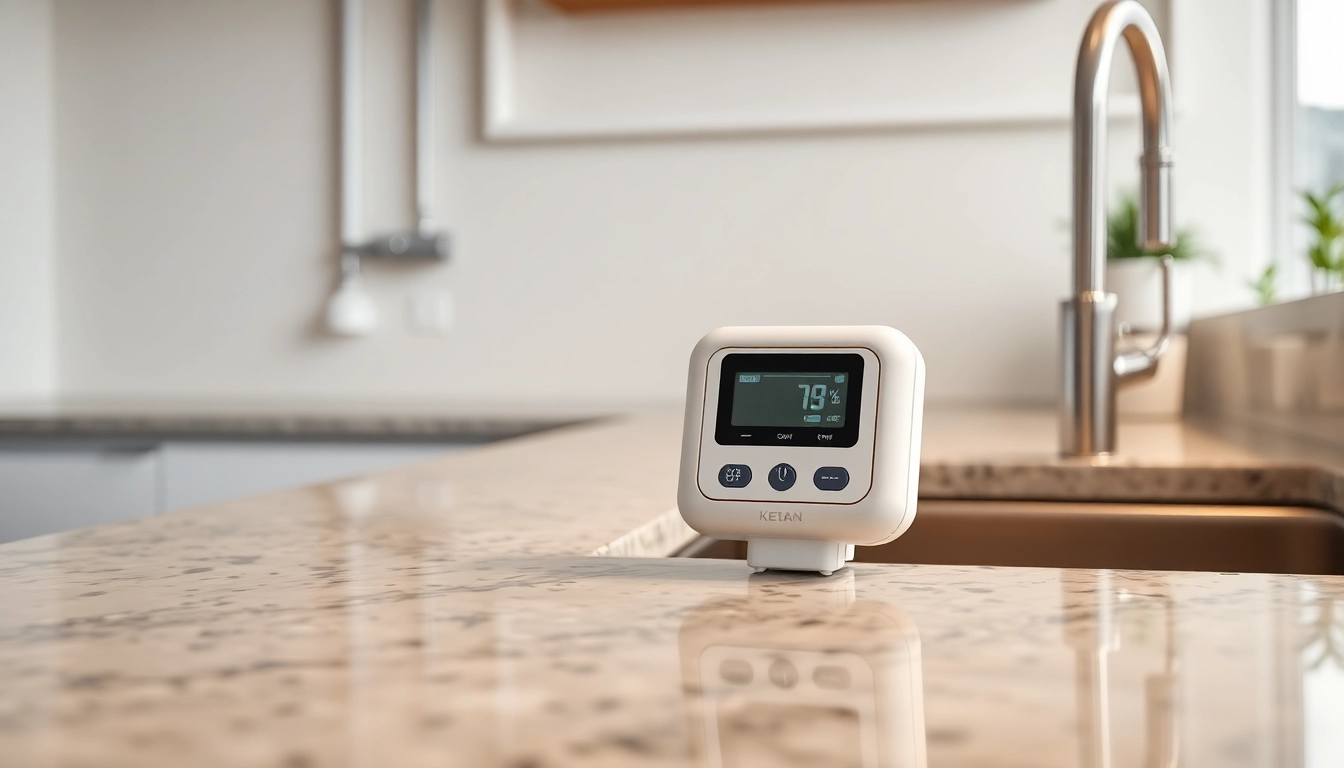
Understanding Water Leak Detection
Water leaks in homes and businesses can often lead to costly damages and significant structural issues if not addressed promptly. Water leak detection is a crucial preventive measure that helps in identifying leaks before they escalate into major problems. By understanding how water leak detection works, property owners can save money and protect their valuable assets. This guide aims to offer comprehensive insights into water leak detection, its importance, common signs of leaks, and various detection systems available today.
What Is Water Leak Detection?
Water leak detection involves the use of various techniques and tools to identify, locate, and measure leaks within a property’s plumbing system. These leaks can stem from a range of sources, including broken pipes, worn seals, or poor installation practices. The primary objective of leak detection is to ensure timely repairs that can mitigate water damage, enhance energy efficiency, and ultimately save on water bills.
Importance of Water Leak Detection
The significance of water leak detection extends beyond just preventing immediate damage. Here’s why it should matter to every property owner:
- Prevent Structural Damage: Water leaks can weaken structures, causing long-term damage to foundations, walls, and ceilings.
- Save Money: Detecting leaks early can prevent costly repairs and significantly reduce water bills.
- Promote Health: Stagnant water can create a breeding ground for mold and mildew, posing health risks to residents.
- Environmental Conservation: Efficient water management helps in conserving this vital resource, contributing to sustainability efforts.
Common Signs of Water Leaks
Recognizing the signs of water leaks can provide property owners with cues to take immediate action:
- Water Stains: Discoloration or staining on walls and ceilings often indicates a leak above.
- Increased Water Bills: A sudden spike in your water bill without a reasonable explanation can indicate undetected leaks.
- Musty Odors: Unpleasant smells may suggest water stagnation or mold growth.
- Sound of Running Water: Hearing water sounds when all faucets are off may indicate an underground leak.
Types of Water Leak Detection Systems
Various water leak detection systems cater to different needs and budgets. Here’s an overview of the main types:
Passive vs. Active Leak Detection
Leeet detection systems can be broadly divided into passive and active systems:
- Passive Systems: These systems rely on water sensors placed in strategic locations around a property. When water is detected, an alarm goes off, alerting occupants to the issue. They are easy to install and suitable for residential scenarios.
- Active Systems: Active systems integrate smart technology to continuously monitor water flow and pressure. They can automatically shut off water supply when a leak is detected, thereby preventing potential water damage.
Smart Water Leak Detectors
In recent years, smart technology has transformed water leak detection. Smart water leak detectors connect to home networks, allowing homeowners to monitor their water usage and receive alerts directly on their smartphones. Some advanced models even provide historical data and analyses regarding water usage patterns, which can help detect potential leaks even before they happen.
Comparing Manual and Automated Solutions
When considering water leak detection solutions, it’s essential to weigh manual methods against automated systems:
- Manual Solutions: These often include inspection and testing methods. Although effective, they require more time and effort and may not detect leaks as quickly.
- Automated Solutions: Automated systems provide precise monitoring and instant notifications, significantly reducing the risk of water damage.
Choosing the Right Water Leak Detection Solution
Selecting an appropriate water leak detection system for your needs requires careful consideration of various factors, including property size, plumbing age, and personal budget.
Evaluating Your Home’s Needs
Before committing to a specific leak detection solution, assess your home’s unique characteristics:
- Age of Plumbing: Older homes with outdated plumbing may require advanced monitoring systems for reliable leak detection.
- Property Size: Larger properties may need multiple sensors or a comprehensive active system to monitor all areas effectively.
- Water Usage Patterns: High water usage could increase the risk of leaks, making smart detectors a wise choice.
Cost Analysis of Solutions
The cost of water leak detection solutions can vary widely. Basic passive systems might cost as little as $20, while sophisticated automatic shut-off systems can range from several hundred to thousands of dollars. Always factor in installation costs and potential savings on water bills when evaluating these systems.
Where to Install Detection Systems
Proper placement of leak detection sensors is crucial for effectiveness. Choose locations like:
- Under sinks and kitchen cabinets
- Behind appliances such as dishwashers and washing machines
- Near water heaters
- In basements and crawl spaces
Best Practices for Water Leak Prevention
Implementing preventive measures can significantly reduce the likelihood of water leaks and potential damage:
Regular Maintenance Schedules
A proactive maintenance schedule can help detect early signs of leaks. Consider establishing routine checks for:
- Inspecting visible pipes for rust or deterioration
- Checking the water pressure regularly to avoid undue stress on the plumbing system
- Reviewing appliances like washers and dishwashers for leaks and wear
Upgrading Older Plumbing Systems
If your property has antiquated plumbing materials—such as galvanized steel or polybutylene—consider upgrading to modern materials that are less prone to leaks, such as PEX or copper piping.
Using Technology for Early Alerts
Investing in smart water sensors can provide you with immediate updates regarding potential water leaks. These devices can often send alerts via apps, allowing property owners to act quickly before serious damage occurs.
Case Studies and Success Stories
Examining real-world applications of water leak detection systems can provide valuable insights into their effectiveness:
Residential Implementations
Many homeowners have successfully implemented water leak detection systems in their properties, leading to significant reductions in damage and repair costs. For example, a family in Queensland, Australia, installed smart leak detectors throughout their home, successfully identifying a slow leak in an upstairs bathroom that could have led to extensive water damage.
Commercial Solutions and ROI
Businesses have also benefited from leak detection systems. A restaurant in New York City installed an automated leak detection system, which not only reduced the frequency of leaks but also resulted in lower insurance costs. The return on investment was realized within the first six months due to savings on emergency repairs and insurance premiums.
Lessons Learned from Water Damage
Many case studies highlight the critical nature of early leak detection. One notable example involved a high-rise building that overlooked regular plumbing inspections. A significant leak resulted in thousands of dollars in repairs. Post-incident, the owners invested in a comprehensive leak detection system, which now serves as a model for other buildings in the area.
Conclusion
Water leak detection is an essential aspect of property management that can save time, money, and stress in the long run. Whether through passive sensors, smart technologies, or routine maintenance, the benefits of implementing a robust leak detection strategy cannot be overstated. For homeowners and businesses alike, understanding and utilizing these tools ensures a safer, more efficient environment free from the perils of water damage.