Understanding Crawl Space Restoration
What is Crawl Space Restoration?
Crawl Space Restoration is a comprehensive process aimed at rehabilitating and improving the integrity, safety, and functionality of your home’s crawl space. This hidden area beneath your home plays a critical role in structural support and overall home health. Restoration involves various activities such as repairing damaged components, eliminating moisture, improving ventilation, and ensuring proper insulation. Maintaining a sound crawl space is essential for the longevity of your home and can prevent larger issues from developing.
Importance of a Well-Maintained Crawl Space
Keeping your crawl space well-maintained is vital for several reasons. Primarily, it helps protect the structural integrity of your home. A neglected crawl space can lead to severe water damage, mold growth, infestations, and even compromise the foundational stability of your house. Furthermore, a well-ventilated and moisture-free crawl space contributes to better indoor air quality, reducing the risk of respiratory problems for inhabitants. Regular Crawl Space Restoration ensures that this essential area does not become a breeding ground for health hazards and structural woes.
Common Issues in Crawl Spaces
- Moisture Intrusion: One of the most prevalent problems, which leads to mold growth, wood rot, and pest infestations.
- Mold and Mildew: These thrive in damp environments, creating health risks and damaging materials.
- Pests: Rodents and insects can find their way into crawl spaces, causing further issues.
- Insufficient Insulation: Poor insulation can lead to temperature fluctuations, making homes less energy-efficient.
- Structural Damage: Over time, damage to beams and supports can occur due to neglect or environmental factors.
Signs You Need Crawl Space Restoration
Identifying Problems Early
Early detection of issues in your crawl space can save you from costly repairs and extensive restoration work. Signs to watch for include unusual odors, visible signs of moisture or water pooling, sagging floors, and increased utility bills indicating heating or cooling loss. Conducting regular inspections will help you catch these signs before they escalate.
Effects of Moisture and Mold
Moisture in the crawl space not only poses a risk to the structural elements of your home but can also lead to serious health hazards. Mold and mildew can trigger allergies and respiratory issues in individuals exposed to them. Furthermore, mold growth on wooden beams can weaken these structures, leading to possible collapse.
Consequences of Neglected Spaces
Neglecting your crawl space can have dire consequences. In addition to mold and structural damage, it can lead to pest infestations and damage to electrical systems and plumbing located in this area. Over time, your home’s value may significantly decrease, and insurance claims could be denied if lack of maintenance is deemed a contributing factor to the damage.
Crawl Space Restoration Processes
Inspection and Assessment
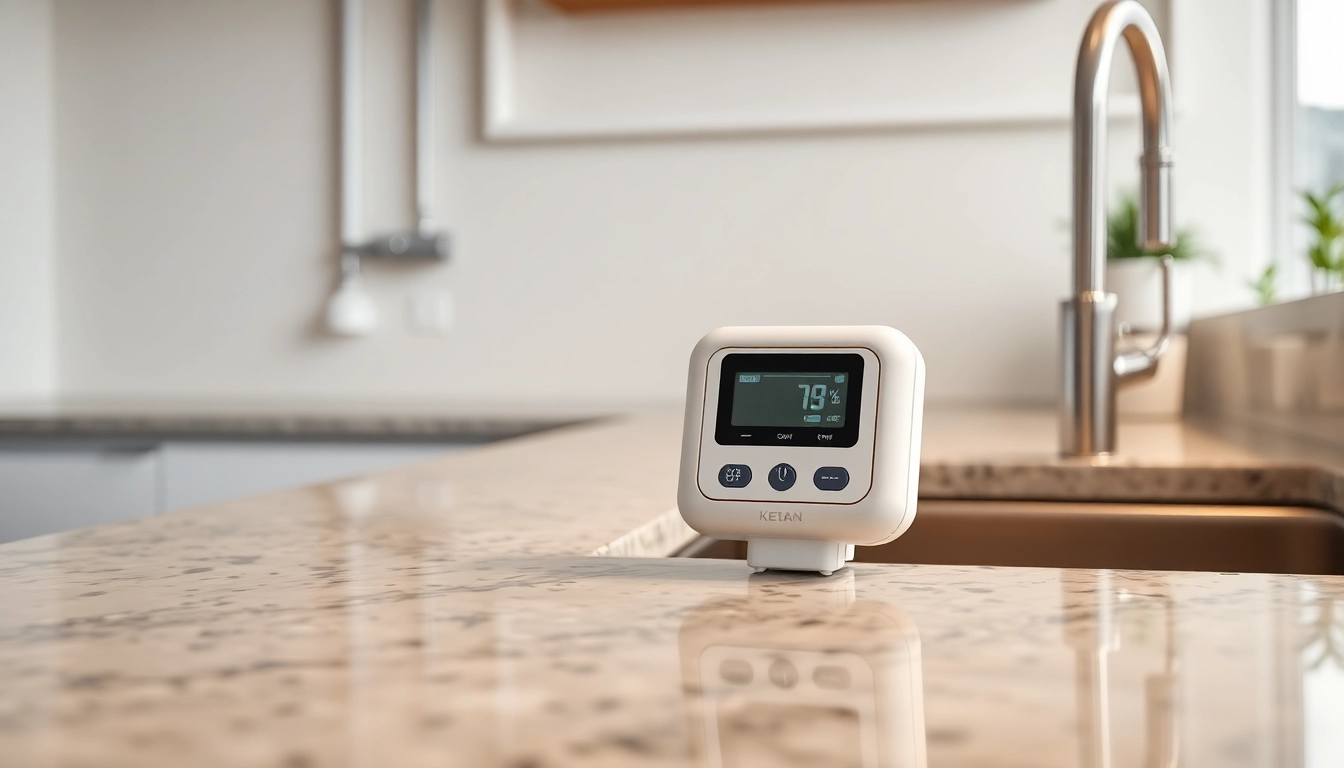
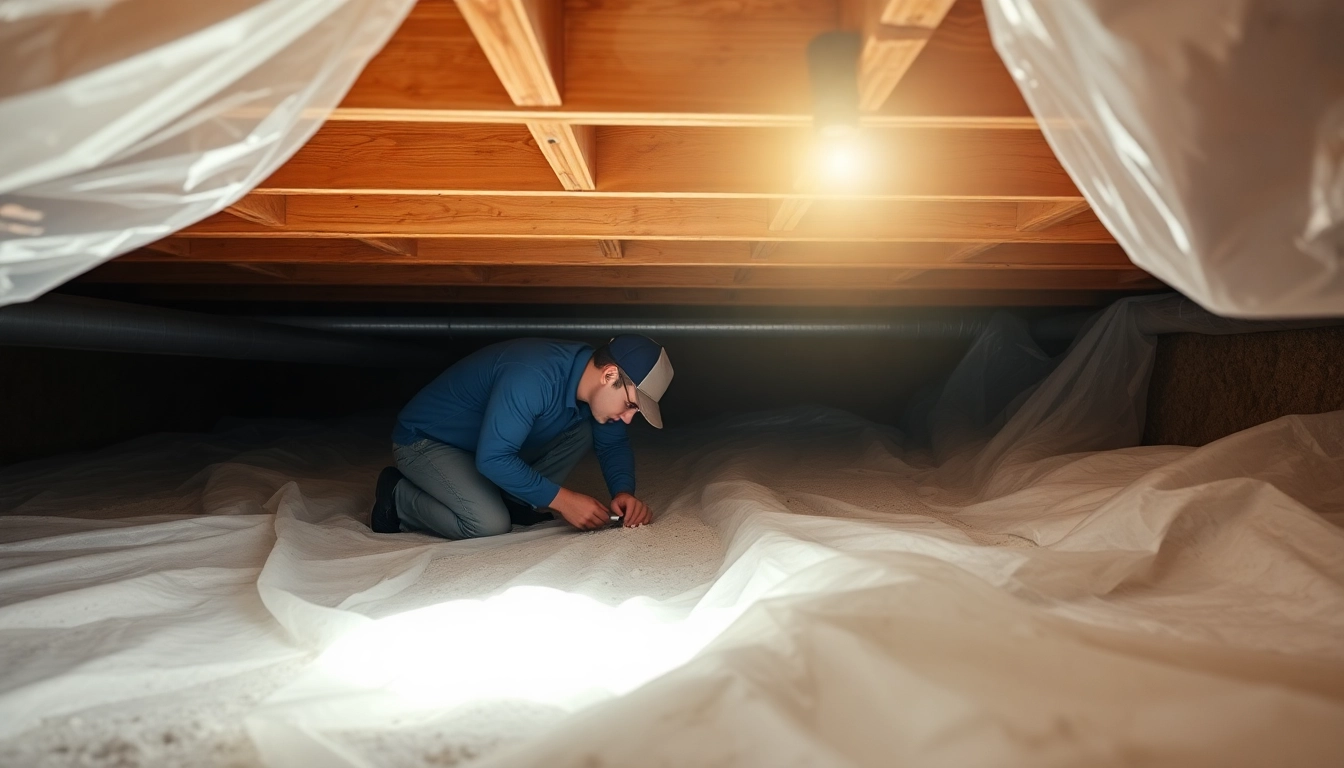
The first step in restoring your crawl space is a thorough inspection. This process entails assessing for moisture, mold, structural damage, and ventilation issues. Professionals will look for signs of pest problems, check insulation, and measure humidity levels. Once problems are identified, they can develop a tailored plan for restoration that addresses all concerns.
Waterproofing Techniques
Waterproofing is a fundamental aspect of crawl space restoration. Techniques may include installing vapor barriers, sump pumps, and drainage systems. A vapor barrier can effectively block moisture from seeping through the ground, while sump pumps help manage water ingress during heavy rain. These solutions work together to keep your crawl space dry and prevent future water damage.
Insulation and Ventilation Improvements
Improving insulation and ventilation are critical components of crawl space restoration. Proper insulation maintains temperature stability, reducing energy costs and preventing condensation that can lead to mold growth. Enhancing ventilation allows fresh air to circulate, keeping humidity levels in check. In many cases, encapsulating the crawl space with a specialized material can offer the best protection against moisture and temperature fluctuations.
Choosing a Crawl Space Restoration Professional
Qualifications and Experience to Look For
When selecting a professional for crawl space restoration, consider their qualifications and experience. Look for certifications in waterproofing and mold remediation. Experience with your specific type of home and familiarity with local building codes can also be beneficial. A reputable contractor will have a proven track record of successful restorations.
Questions to Ask Potential Contractors
Before hiring a contractor, it’s crucial to ask the right questions to gauge their expertise and suitability for your needs. Inquire about their methodology for inspection and restoration, the materials they use, warranties, and their approach to preventing future issues. Also, ask for references from past clients to evaluate their satisfaction with the work performed.
Verifying Reviews and Testimonials
Reading reviews and testimonials from previous clients can provide insight into a contractor’s reliability and quality of work. Look for feedback regarding communication, professionalism, the timeliness of completion, and adherence to budget. Websites that aggregate reviews can be especially helpful in providing a balanced view of a contractor’s performance.
Frequently Asked Questions about Crawl Space Restoration
How often should I check my crawl space?
It’s recommended to inspect your crawl space at least twice a year to address potential issues early.
What are the signs of mold in the crawl space?
Signs include a musty odor, discoloration on surfaces, or visible mold growth.
Can I perform crawl space restoration myself?
While some minor tasks can be DIY, complex issues are best handled by professionals for safety and effectiveness.
How does humidity affect my crawl space?
High humidity can lead to mold growth and structural damage, making proper ventilation crucial.
What is the cost range for crawl space restoration?
Costs vary based on severity, but expect to invest between $2,000 and $15,000 based on the specific needs of your crawl space.