
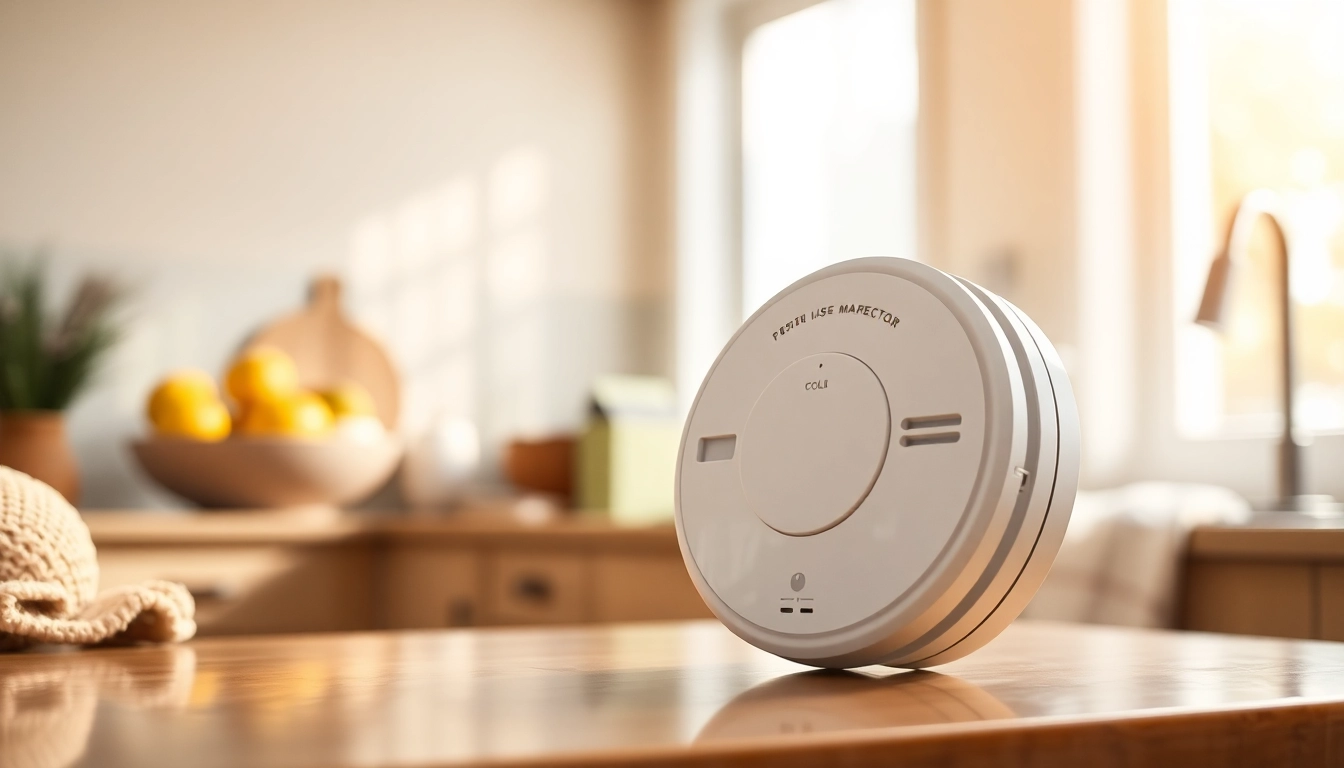
Understanding Carbon Monoxide Detectors
What is a Carbon Monoxide Detector?
A carbon monoxide detector is a critical safety device designed to identify the presence of carbon monoxide (CO) gas, an odorless and colorless substance that can be deadly when inhaled. These detectors utilize sensors that can detect changes in the surrounding atmosphere, alerting occupants of potential danger. The importance of these devices cannot be overstated, as CO is produced by burning fossil fuels and can originate from various household appliances, as well as vehicles. Having a reliable carbon monoxide detector beeping alert is crucial for ensuring that individuals respond to life-threatening encounters promptly.
How Carbon Monoxide Detectors Work
Carbon monoxide detectors function on one of several technologies, principally: biomimetic, metal oxide semiconductor (MOS), and electrochemical detection. Each of these methods has specific applications and advantages. For example, electrochemical sensors are commonly used in residential CO detectors because they provide accurate readings with low power consumption.
Biomimetic Sensor
This type of sensor uses a gel that changes color when CO is present, mimicking the human body's reaction to carbon monoxide. Upon detection, it will activate the alarm, providing a simple visual cue besides the auditory signal.
Metal Oxide Semiconductor (MOS)
MOS detectors employ a heated sensor to detect CO levels. The resistance changes in the presence of the gas, triggering the alarm when it reaches hazardous concentrations.
Electrochemical Sensors
Electrochemical sensors are more advanced and generally considered the most reliable. They utilize a chemical reaction to produce an electrical current that reflects the carbon monoxide concentration, giving precise readings even at low levels.
Importance of Regular Testing
Testing carbon monoxide detectors regularly is paramount. Detectors can fail if not maintained appropriately; thus, performing routine checks ensures that they function correctly. Most manufacturers recommend testing your detectors at least once a month. This might entail pushing the test button on the unit or using a specific testing appliance that mimics carbon monoxide.
Furthermore, ensure that the batteries are replaced at least once a year, or when testing indicates low power. Detectors also have expiration dates, typically around 5 to 7 years, after which they should be replaced to ensure reliability.
Common Reasons for Beeping
Low Battery Alerts
One of the most common reasons for a carbon monoxide detector to beep is a low battery alert. Many detectors are designed to emit a short beep at regular intervals when the battery is nearing depletion. This feature aims to ensure that occupants have adequate notice to replace the battery before it completely dies, which could inadvertently leave them vulnerable to CO risks.
Malfunctioning or Expired Detectors
Over time, detectors can malfunction or may reach their expiration limit. If a detector has reached its use-by date, it may provide erratic warnings, or it might beep continuously. It’s important to check the manufacturing date and replace any detectors over seven years old to maintain peak performance.
Carbon Monoxide Presence Detection
When a carbon monoxide detector beeps continuously, it signifies the presence of carbon monoxide in the atmosphere at hazardous levels. This is a serious alert that demands immediate action. The alarm sound is usually distinct, often a series of loud beeps followed by short pauses. Understanding this sound is crucial for protecting yourself and loved ones from carbon monoxide poisoning.
Responding to Carbon Monoxide Alarms
Immediate Actions to Take
Upon hearing the carbon monoxide alarm, prioritize safety. First, evacuate everyone from the building immediately, including pets. Ensure all windows and doors are closed to prevent the gas from dissipating too quickly, which can mask the true level of danger. Once outside, stay in a safe area away from the building.
Evacuation and Safety Protocols
Establish an evacuation plan within your home that includes clear routes and rendezvous points outside. This plan should be communicated to every family member. In case of alarm, ensure that everyone knows to leave immediately and not to investigate the source of the alarm; this could expose them to harmful levels of CO.
Informing Emergency Services
Call emergency services once you are in a safe location. Provide them with all pertinent details, such as the model of the detector, how long the alarm has been sounding, and whether anyone is experiencing symptoms of carbon monoxide exposure, such as dizziness, confusion, or nausea. Promptly informing the authorities is crucial as they have the resources to investigate the situation properly.
Preventive Measures for Home Safety
Proper Installation of Detectors
Installing carbon monoxide detectors correctly is vital for maximizing their effectiveness. Positioning should be tactically done: detectors should be placed within a few feet of sleeping areas or levels where families spend a significant amount of time, ensuring coverage in vulnerable spaces. The number of detectors required typically correlates with your household size and layout.
Regular Maintenance Routines
Maintenance routines extend beyond occasional testing. Regular cleaning of the detector, checking for dust and debris that could hinder performance, and ensuring that the detector is nowhere near household chemicals— which could interfere with readings—are all crucial aspects of upkeep. Create a dedicated schedule for these maintenance tasks and consider marking dates on your calendar to ensure they aren’t overlooked.
Educating Family Members on CO Risks
Every family member should be well-informed about the risks associated with carbon monoxide exposure. Conduct periodic informational sessions to teach, especially young children, to recognize the sound of the alarm and to understand the importance of immediate evacuation. Skills such as recognizing symptoms of CO poisoning can save lives in the context of detection failure.
Enhancing Home Safety Beyond Detection
Tips for Reducing CO Exposure
To minimize the risk of carbon monoxide buildup in your home, several measures should be adopted. Regularly maintain your HVAC systems and ensure they are vented properly. Avoid using gas-powered appliances indoors without adequate ventilation, and never leave a vehicle running in an enclosed space.
Integrating Smart Home Technologies
Advancements in smart home technology have yielded detectors that offer integration with mobile apps, allowing for real-time monitoring and alerts. Home automation systems can provide alerts directly to your smartphone and can be programmed to contact emergency services automatically. Investing in smart technologies not only enhances safety but allows for peace of mind when away from home.
Staying Informed About Safety Regulations
Various regulations exist regarding carbon monoxide detection, often varying by state or municipality. Staying informed about local codes ensures compliance and can enhance safety protocols. Many cities and towns mandate specific installation protocols for CO detectors, including the number required and their placement within residences. Regular updates from local authorities can keep residents apprised of any changes, ensuring safety and peace of mind.