Understanding the Steel Fabrication Shop Services
In the world of manufacturing, one of the key processes that plays a pivotal role in the construction and engineering industries is steel fabrication. A steel fabrication shop specializes in converting raw steel into ready-to-use products through various machining, welding, and assembly techniques. This article will delve into the different facets of steel fabrication services, shedding light on techniques, common projects, industries served, and more.
Overview of Steel Fabrication Techniques
Steel fabrication encompasses several techniques, each tailored to the specific requirements of a project. Here’s a breakdown of the most common methods:
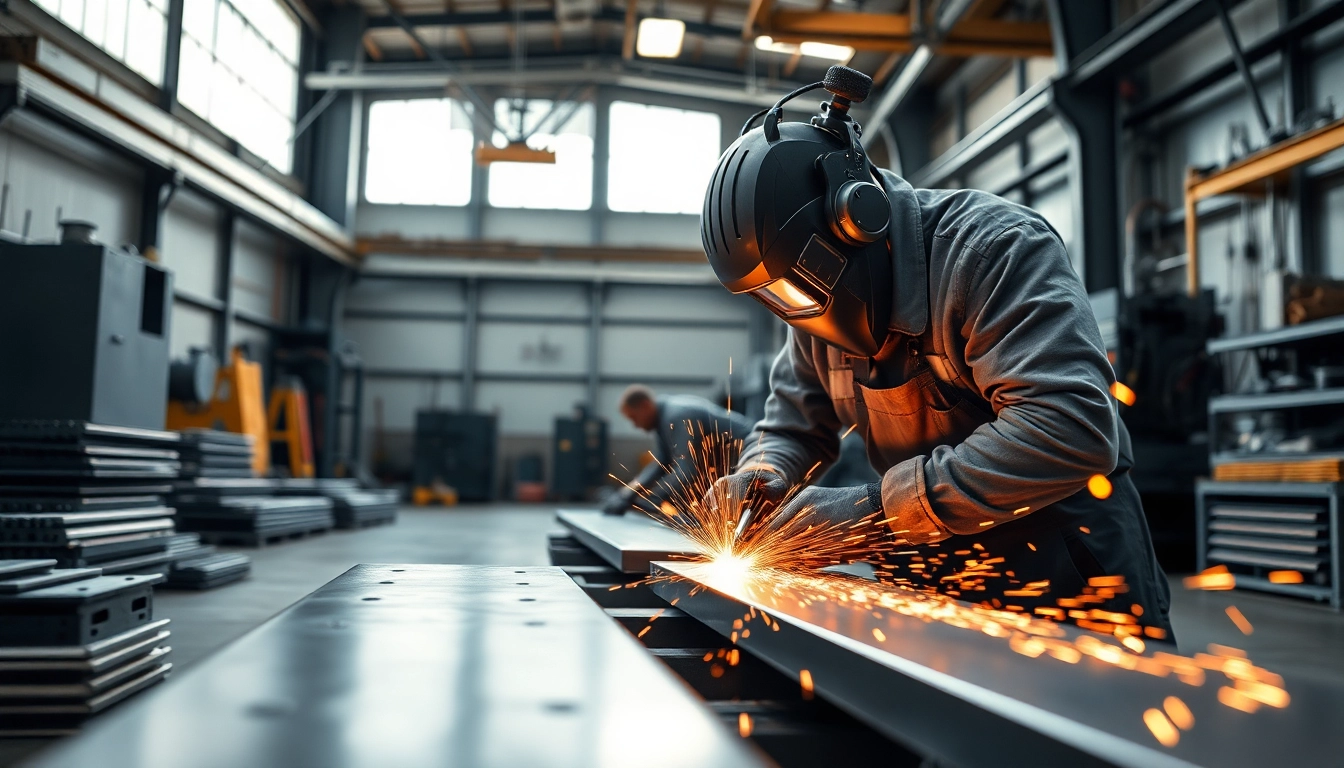
- Cutting: This can be performed via several methods such as sawing, shearing, or more advanced techniques like laser cutting and plasma cutting. Each method has its own set of applications depending on the precision required.
- Bending: Bending machines or presses are used to alter the shape of steel materials. This process turns flat sheets into various forms necessary for construction and manufacturing.
- Welding: A critical process involving the joining of steel components. Types of welding methods such as MIG (Metal Inert Gas), TIG (Tungsten Inert Gas), and Stick welding are utilized to ensure robust connections.
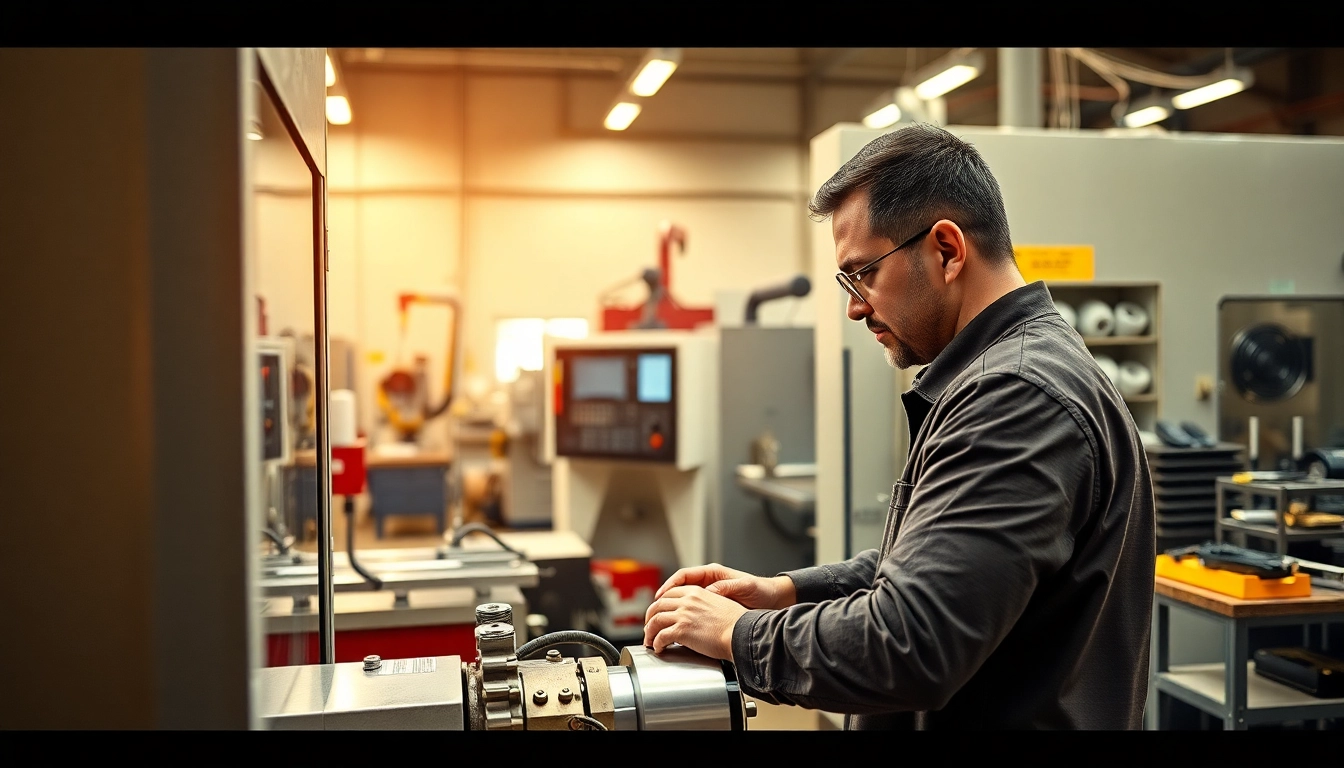
- Machining: This involves removing material from a steel workpiece to shape or finish the component precisely. Techniques such as milling and turning fall into this category.
Common Projects Handled in Steel Fabrication Shop
Steel fabrication shops handle a wide array of projects, from simple repairs to complex structures. Some common projects include:
- Structural Steel Fabrication: Creation of beams, columns, and trusses used in buildings and bridges.
- Custom Fabrication: Tailored solutions designed to meet specific customer requirements including intricate designs and shapes.
- Metal Railing and Handrails: Safety solutions for buildings, balconies, and staircases.
- Industrial Equipment and Machinery: Fabrication of components used in manufacturing facilities.
Industries That Rely on Steel Fabrication
A multitude of industries depend on the expertise provided by steel fabrication shops to meet their needs:
- Construction: Steel is integral for building infrastructures such as skyscrapers, bridges, and residential buildings.
- Aerospace: Precision-related fabrications are crucial in designing aircraft components.
- Automotive: Automotive manufacturing heavily relies on steel fabrication for parts creation.
- Shipbuilding: Marine industries utilize steel fabrication for hull and structural components.
Key Equipment Used in a Steel Fabrication Shop
The efficiency and output of a steel fabrication shop are directly influenced by the equipment used. Understanding these tools is essential for ensuring high-quality production.
Types of Machinery Essential for Fabrication
The fundamental machinery found in a steel fabrication shop includes:
- Plasma Cutters: Used for precision cutting of metal components, allowing for intricate designs.
- Welding Machines: Devices responsible for the vital welding process, available in various types such as MIG and TIG welders.
- Press Brakes: Essential for bending and shaping metal sheets into desired angles and forms.
- Shears: Employed for cutting metals to specific lengths and shapes.
- CNC Machines: Computer Numerical Control machines offer automation for precise cutting, drilling, and milling operations.
Innovative Technologies in Modern Steel Fabrication
Innovation continues to shape steel fabrication practices, leading to improved efficiency and quality:
- 3D Printing: This technology enables rapid prototyping of parts, reducing lead times significantly.
- Robotics: Automated processes for welding and cutting boost productivity and precision.
- Virtual Reality (VR): Used for design visualization and project management, aiding fabricators in planning before physical work begins.
Maintenance Best Practices for Equipment
Regular maintenance of equipment is vital to ensure operational efficiency and longevity. Best practices include:
- Establishing a routine maintenance schedule to check and service machinery.
- Training staff on proper equipment usage to minimize wear and tear.
- Implementing an inspection system to identify potential issues before they escalate to failures.
Skill Sets Required for Workers in a Steel Fabrication Shop
Workers in a steel fabrication shop play a crucial role in the success of operations. Their skill set is vital for productivity and quality standards.
Essential Skills for Welders and Fabricators
A skilled workforce is imperative for delivering quality outputs. Key skills include:
- Technical Proficiency: Ability to operate and troubleshoot fabrication machinery effectively.
- Blueprint Reading: Understanding technical drawings and schematics to ensure accurate fabrication.
- Attention to Detail: Meticulousness in measurements and execution to guarantee quality and precision.
Safety Training and Certifications
Safety is paramount in any fabrication environment. Workers should undergo regular safety training and certification programs to ensure:
- Compliance with OSHA and other regulatory standards.
- Adherence to safe operating procedures to prevent workplace accidents.
- Authorization to operate specific machinery and devices following skill levels.
Continuous Learning and Development in the Industry
To stay ahead in the competitive steel fabrication market, ongoing education is essential. This can include:
- Workshops and seminars covering the latest fabrication technologies.
- Online courses for upskilling in advanced welding techniques.
- Certification programs focusing on specialty skills such as CNC machining.
Quality Control and Standards in a Steel Fabrication Shop
Quality control is critical in a steel fabrication shop, ensuring that all products meet regulatory and client expectations.
Importance of Quality Assurance Processes
Implementing stringent quality assurance processes helps in maintaining high standards in fabrication. Key strategies include:
- Establishing standardized operating procedures (SOPs) for consistent quality.
- Regularly reviewing and updating quality metrics to adapt to industry changes.
- Engaging in regular audits to ensure compliance with established quality protocols.
Certification Standards for Steel Products
Adhering to certification standards is essential for both quality and credibility:
- ISO certifications that signify adherence to international quality standards.
- ASTM standards which outline specific requirements for various steel products.
Best Practices for Ensuring Quality Output
To ensure the highest quality in fabricated products, shops can adopt the following best practices:
- Utilizing high-quality raw materials sourced from reputable suppliers.
- Implementing systematic testing of products through stress tests and inspections.
- Encouraging feedback loops for continuous improvement in processes and outputs.
Emerging Trends in the Steel Fabrication Shop Market
The steel fabrication industry is continually evolving with emerging trends shaping its future. From technological advancements to market demands, it is crucial for businesses to adapt.
Impact of Sustainability on Fabrication Practices
Sustainability has become a focal point in manufacturing. Key impacts include:
- The integration of recycled materials in fabrication processes.
- Utilizing energy-efficient practices and machinery to reduce carbon footprints.
- Engaging in sustainable sourcing to ensure minimal environmental impact.
Adoption of Automation in Steel Fabrication
The rise of automation technologies in steel fabrication shops has facilitated:
- Increased production speeds while maintaining precision.
- Reduction of human error by employing robotics in repetitive tasks.
- Enhanced data collection for better decision-making and reporting.
Future Challenges and Opportunities in the Industry
Looking ahead, the steel fabrication industry may face challenges such as market fluctuations and labor shortages. However, it also offers opportunities:
- Expanding into new markets with innovative solutions.
- Leveraging technological advancements for improved productivity.
- Forming collaborations within the supply chain for enhanced efficiencies.