
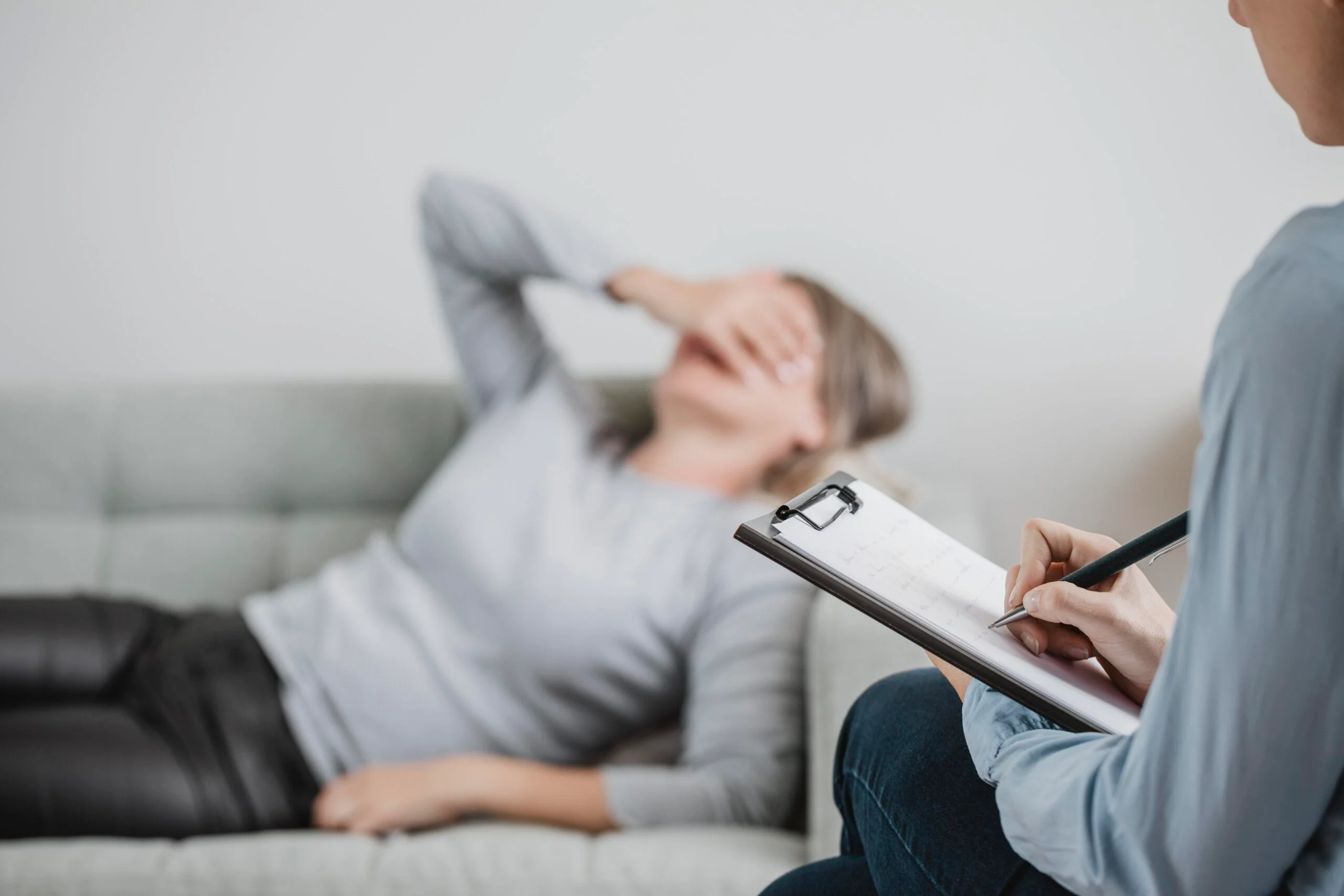
Stress and anxiety are common challenges in modern life, impacting millions of individuals worldwide. While occasional stress can motivate and prompt action, chronic stress and persistent anxiety can interfere with daily functioning, emotional wellbeing, and physical health. Finding effective relief strategies is essential for maintaining balance, resilience, and overall quality of life. At Calm Minds Hub, we focus on evidence-based approaches to simplify mental health knowledge and provide actionable tools to manage Stress and anxiety in everyday situations.
Understanding the Need for Stress and Anxiety Relief
Managing stress and anxiety effectively requires understanding how these responses develop and affect the mind and body. Both are natural reactions to perceived threats or pressures, but when they become persistent or overwhelming, they can interfere with daily life.
The Physiology of Stress and Anxiety
Stress and anxiety trigger a cascade of physiological responses. The sympathetic nervous system activates the "fight or flight" response, releasing stress hormones like cortisol and adrenaline. These hormones increase heart rate, blood pressure, and energy mobilization. While beneficial for short-term survival, chronic activation can lead to fatigue, digestive issues, sleep disturbances, and immune dysfunction.
Why Relief Strategies Matter
Relief strategies help regulate the body’s stress response, reduce excessive anxiety, and prevent the development of mental and physical health complications. Learning to integrate these strategies into daily life promotes emotional stability, focus, and resilience.
Daily Practices for Stress and Anxiety Relief
Implementing structured daily practices ensures that stress and anxiety are managed proactively rather than reactively. Small, consistent habits contribute to long-term emotional balance.
Morning Mindfulness Routines
Starting the day with mindfulness exercises sets a calm and focused tone. Activities such as deep breathing, meditation, or mindful stretching help regulate the nervous system, lower cortisol levels, and prepare the mind for the day ahead.
Physical Exercise
Regular physical activity is a proven strategy for reducing stress and anxiety. Exercise stimulates endorphin release, improves cardiovascular health, and enhances mood. Activities such as yoga, walking, swimming, or strength training are effective for both immediate relief and long-term stress management.
Balanced Nutrition
Eating a nutrient-rich diet supports mental health and stabilizes energy levels. Consuming foods rich in omega-3 fatty acids, magnesium, and antioxidants can reduce inflammation and support brain function. Limiting caffeine, refined sugars, and processed foods prevents blood sugar fluctuations that can exacerbate stress and anxiety.
Structured Work and Break Schedules
Creating a structured daily schedule reduces overwhelm and prevents chronic stress buildup. Incorporating regular breaks during work or study periods allows the mind to reset and promotes sustained focus. Mindful pauses, even for five minutes, can significantly lower anxiety levels.
Evening Wind-Down Rituals
Ending the day with relaxation routines prepares the body and mind for restorative sleep. Activities such as reading, listening to calming music, or practicing gentle yoga promote relaxation, reduce evening anxiety, and improve sleep quality.
Cognitive and Behavioral Strategies
Addressing the thought patterns and behaviors that perpetuate stress and anxiety is essential for long-term relief.
Identifying and Challenging Negative Thoughts
Cognitive behavioral approaches involve recognizing negative thought patterns and reframing them. For example, shifting from “I can’t handle this” to “I can take small steps to manage this” reduces feelings of helplessness and anxiety.
Journaling and Emotional Expression
Writing down worries, reflections, and achievements helps process emotions and clarify priorities. Journaling provides an outlet for stress and encourages problem-solving rather than rumination.
Time Management and Prioritization
Effectively managing tasks prevents overwhelm and supports emotional balance. Breaking large projects into smaller, achievable steps and prioritizing urgent and important tasks reduces stress and creates a sense of control.
Healthy Behavioral Choices
Avoiding harmful coping mechanisms, such as excessive caffeine, alcohol, or procrastination, enhances resilience. Engaging in hobbies, social activities, and leisure enhances emotional wellbeing and provides a positive distraction from anxiety triggers.
Mindfulness and Relaxation Techniques
Mindfulness and relaxation strategies directly influence the nervous system, reducing physiological arousal and promoting calm.
Deep Breathing Exercises
Techniques such as diaphragmatic breathing, box breathing, and 4-7-8 breathing reduce heart rate and induce relaxation. Practicing deep breathing regularly trains the body to respond calmly to stressors.
Progressive Muscle Relaxation
This technique involves tensing and releasing different muscle groups to reduce physical tension. It helps individuals become more aware of bodily stress signals and promotes relaxation.
Guided Imagery
Visualization of calming scenes or positive experiences engages the imagination to reduce anxiety and promote mental escape from stressors. Guided imagery is effective for both acute anxiety episodes and daily relaxation.
Mindful Meditation
Regular meditation encourages present-moment awareness and reduces rumination, a common driver of anxiety. Short daily sessions of mindfulness meditation can lower stress hormone levels and enhance focus.
Social and Environmental Approaches
Creating a supportive environment and engaging with positive social connections are critical components of stress and anxiety relief.
Building Support Networks
Strong relationships with friends, family, or peer groups provide emotional reassurance, practical advice, and perspective. Sharing experiences reduces feelings of isolation and provides a buffer against stress.
Positive Work and Home Environments
Organizing spaces, reducing clutter, and creating calming surroundings minimize environmental stress triggers. A well-structured environment supports concentration and emotional stability.
Setting Boundaries
Learning to say no, delegating tasks, and managing personal and professional expectations prevent overwhelm. Boundaries protect energy and prevent chronic stress accumulation.
Connecting with Nature
Spending time outdoors or incorporating natural elements indoors reduces cortisol levels and promotes relaxation. Activities such as walking in a park, gardening, or listening to natural sounds foster a sense of calm.
Preventive and Long-Term Strategies
Relief strategies are most effective when combined with preventive measures that enhance resilience and reduce susceptibility to stress and anxiety.
Developing Emotional Resilience
Resilience involves cultivating adaptability, optimism, and self-awareness. Building coping skills, practicing mindfulness, and learning from past experiences strengthen the ability to navigate future stressors calmly.
Regular Mental Health Check-Ins
Assessing emotional state, triggers, and coping effectiveness allows for proactive intervention. Regular reflection or professional consultations help maintain emotional balance over time.
Integrating Leisure and Hobby Activities
Engaging in enjoyable activities provides a positive outlet for stress, stimulates creativity, and promotes relaxation. Hobbies and leisure activities counterbalance daily pressures and enhance overall wellbeing.
Professional Support
For individuals experiencing persistent or severe stress and anxiety, therapy, counseling, or medical intervention may be necessary. Evidence-based approaches such as Cognitive Behavioral Therapy (CBT), Acceptance and Commitment Therapy (ACT), or exposure therapy provide structured support.
Combining Multiple Strategies for Maximum Relief
Stress and anxiety relief is most effective when strategies are combined to address physical, emotional, cognitive, and behavioral dimensions. Integrating mindfulness, exercise, nutrition, structured routines, cognitive techniques, and social support creates a holistic approach to balance.
Creating a Personalized Plan
Developing a daily or weekly stress relief plan tailored to individual preferences ensures consistency and effectiveness. Tracking progress and adjusting strategies as needed enhances outcomes.
Adapting to Life Changes
Life circumstances change over time, and stressors evolve. Flexibility in relief strategies allows for ongoing adjustment and prevents recurrence of chronic stress and anxiety symptoms.
Maintaining Consistency
Consistency is key to long-term effectiveness. Even short, regular practices such as five-minute mindfulness sessions, daily journaling, or brief exercise routines accumulate benefits over time and foster lasting balance.
Conclusion
Relieving stress and anxiety requires a combination of daily practices, cognitive and behavioral strategies, relaxation techniques, supportive environments, and preventive measures. By integrating these approaches into everyday life, individuals can achieve emotional balance, resilience, and a calmer state of mind. Effective management of stress and anxiety is not about eliminating all challenges but equipping oneself with practical, evidence-based tools to navigate life’s pressures with confidence and composure. If you enjoy our blogs, you’ll love what we’ve built on our homepage.
FAQs
What daily practices help reduce stress and anxiety?
Daily practices that support relief include mindfulness and meditation, structured routines, regular physical exercise, balanced nutrition, journaling, and scheduled breaks. Consistency in these practices enhances emotional regulation and resilience.
How can cognitive strategies relieve stress and anxiety?
Cognitive strategies involve identifying negative thought patterns, reframing them, prioritizing tasks, and setting achievable goals. Techniques such as Cognitive Behavioral Therapy (CBT) provide structured approaches to managing worry and improving problem-solving skills.
When should I seek professional help for stress and anxiety?
Professional help is recommended if stress and anxiety persist, interfere with daily life, or lead to significant emotional or physical symptoms such as panic attacks, chronic insomnia, or prolonged emotional distress. Therapists and medical professionals can provide evidence-based treatments and ongoing support.