
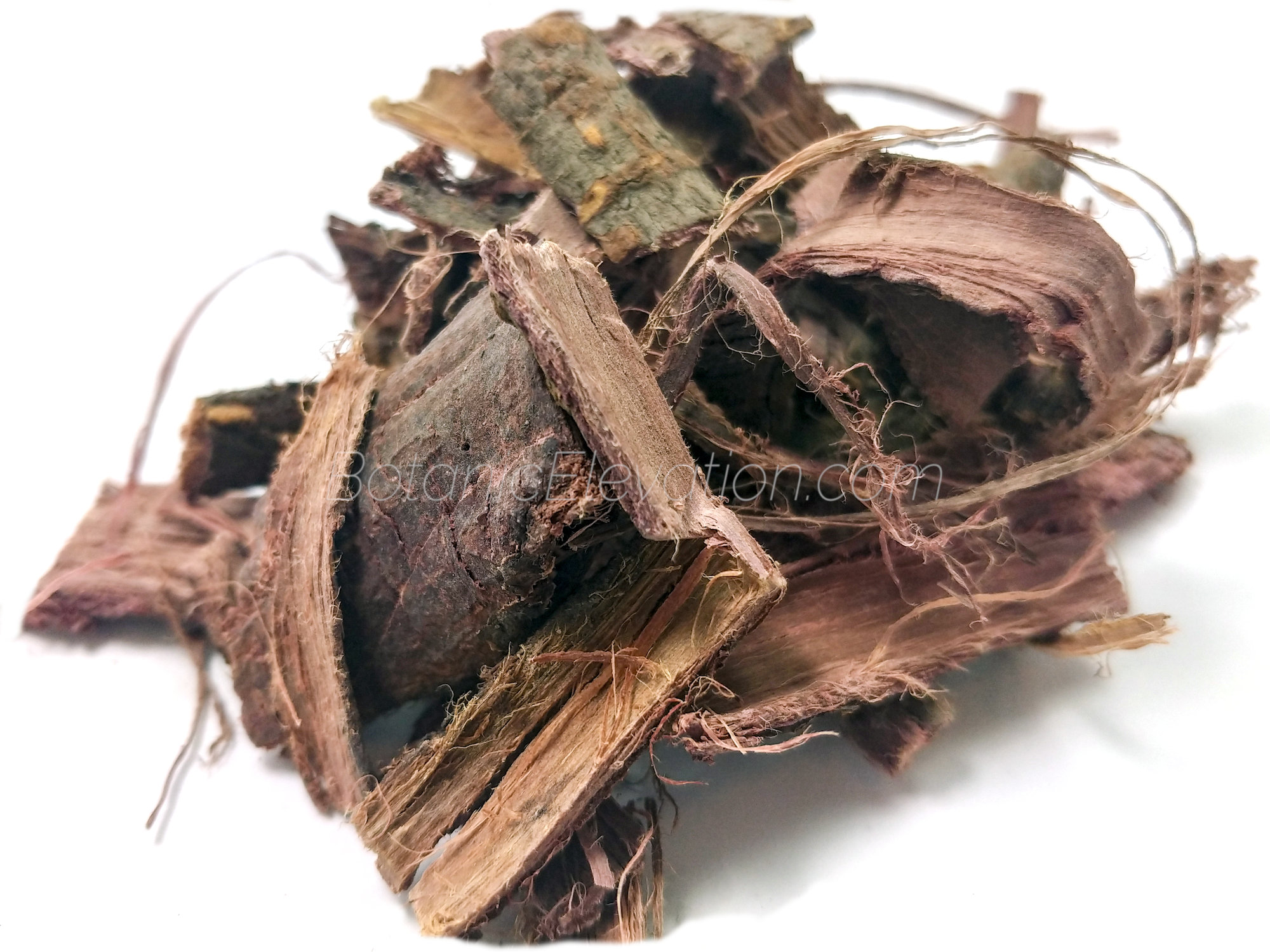
Plant-based Cutch dye has become a favorite among natural dyers who want to achieve warm, grounded hues drawn directly from nature. With its long history, sustainable origin, and exceptional performance on natural fibers, Cutch dye offers a reliable way to produce rich, earthy colors that enhance handmade textiles with authenticity and depth.
The Origins and Qualities of Cutch Dye
A Traditional Plant-Based Colorant
Derived from the heartwood of the Acacia catechu tree, Cutch dye has been valued for centuries in regions where natural dyeing has deep cultural roots. The extraction process concentrates the wood’s natural tannins, giving Cutch dye its remarkable colorfastness and its ability to bond beautifully to natural fibers.
Why Tannins Matter
The high tannin content within Cutch dye allows it to adhere especially well to cellulose fibers such as cotton, linen, and hemp. This same characteristic also helps create deeper, more stable shades when paired with the right mordants. For artisans committed to plant-based methods, Cutch dye offers one of the most dependable brown colorants available.
The Appeal of Rich, Earthy Colors
A Warm, Natural Palette
From soft beige to deep mahogany, Cutch dye allows textile artists to explore a broad palette of earthy tones. These hues feel both calming and timeless, making them ideal for minimalistic wardrobes, rustic home décor, and natural craft aesthetics.
Versatility Across Projects
Whether used for apparel, accessories, or textile art, Cutch dye adapts beautifully to different creative intentions. Its depth of color and subtle undertones contribute to sophisticated results that highlight the beauty of natural materials.
Preparing Fibers for Dyeing
Cleaning and Mordanting
Before using Cutch dye, fibers should be thoroughly scoured to remove oils and residues. Cellulose fibers benefit greatly from tannin-rich dyes, and Cutch dye enhances this bond even more when paired with alum, iron, or other natural mordants.
Best Fiber Choices
Cotton, linen, hemp, wool, and silk all respond well to Cutch dye. While cellulose fibers produce warmer browns, protein fibers may reveal softer or slightly pinker undertones depending on the mordant and dye bath conditions.
Creating a Cutch Dye Bath
Dissolving and Hydrating
Solid extracts of Cutch dye dissolve easily in hot water, but allowing them to fully hydrate improves consistency. This step is essential for achieving smooth, even color across larger fabric pieces.
Adjusting Strength and Tone
By altering the concentration of Cutch dye, dyers can achieve anything from pale, whisper-soft neutrals to rich, saturated browns. Longer dyeing times and multiple dips deepen the tone and add dimension.
Working with Mordants and Modifiers
Alum, Iron, and Beyond
Alum produces warm, golden browns when used with Cutch dye, while iron shifts the color toward cooler browns and smoky greys. Cream of tartar lightens the tone and can introduce soft, rosy variations.
Creative Modifications
Because of its responsive nature, Cutch dye is ideal for experimentation. Small changes in pH, temperature, or mordant combinations can lead to unique results that reflect your style as a dyer.
Techniques for Artistic Results
Immersion Dyeing
The most common method, immersion dyeing with Cutch dye, allows fabric to absorb color gradually. Controlling time, heat, and movement helps achieve both bold and subtle effects.
Surface Design and Printmaking
Thickened Cutch dye works well for block printing, screen printing, and painting on fabric. Its earthy, grounded aesthetic pairs beautifully with botanical or geometric motifs.
Overdyeing for Complex Colors
Layering Cutch dye over other natural dyes creates striking hybrid shades. Over indigo, it produces deep greens and muted olives; over madder, it brings forward russet and coppery tones.
Ideas for Using Cutch-Dyed Textiles
Apparel and Accessories
Garments dyed with Cutch dye have a warm, organic look that complements slow-fashion principles. Scarves, wraps, tunics, and natural-fiber tops all benefit from its earthy palette.
Home Décor and Interior Textiles
Table linens, cushion covers, wall hangings, and woven pieces take on a cozy, grounded feel when dyed with Cutch dye. These shades bring natural harmony into any living space.
Caring for Naturally Dyed Fabrics
To preserve color richness, textiles dyed with Cutch dye should be washed gently in cool water using a pH-neutral soap. Keeping them out of direct sunlight when drying helps maintain long-term vibrancy.
Conclusion
For artisans seeking sustainability, creativity, and beauty in their dyeing practice, Cutch dye is a plant-based powerhouse. Its tannin-rich composition, warm color range, and dependable performance make it an essential tool for anyone exploring natural dyeing. By experimenting with mordants, modifiers, and layering techniques, you can unlock the full expressive potential of Cutch dye and bring nature’s earthy elegance into every textile project.