
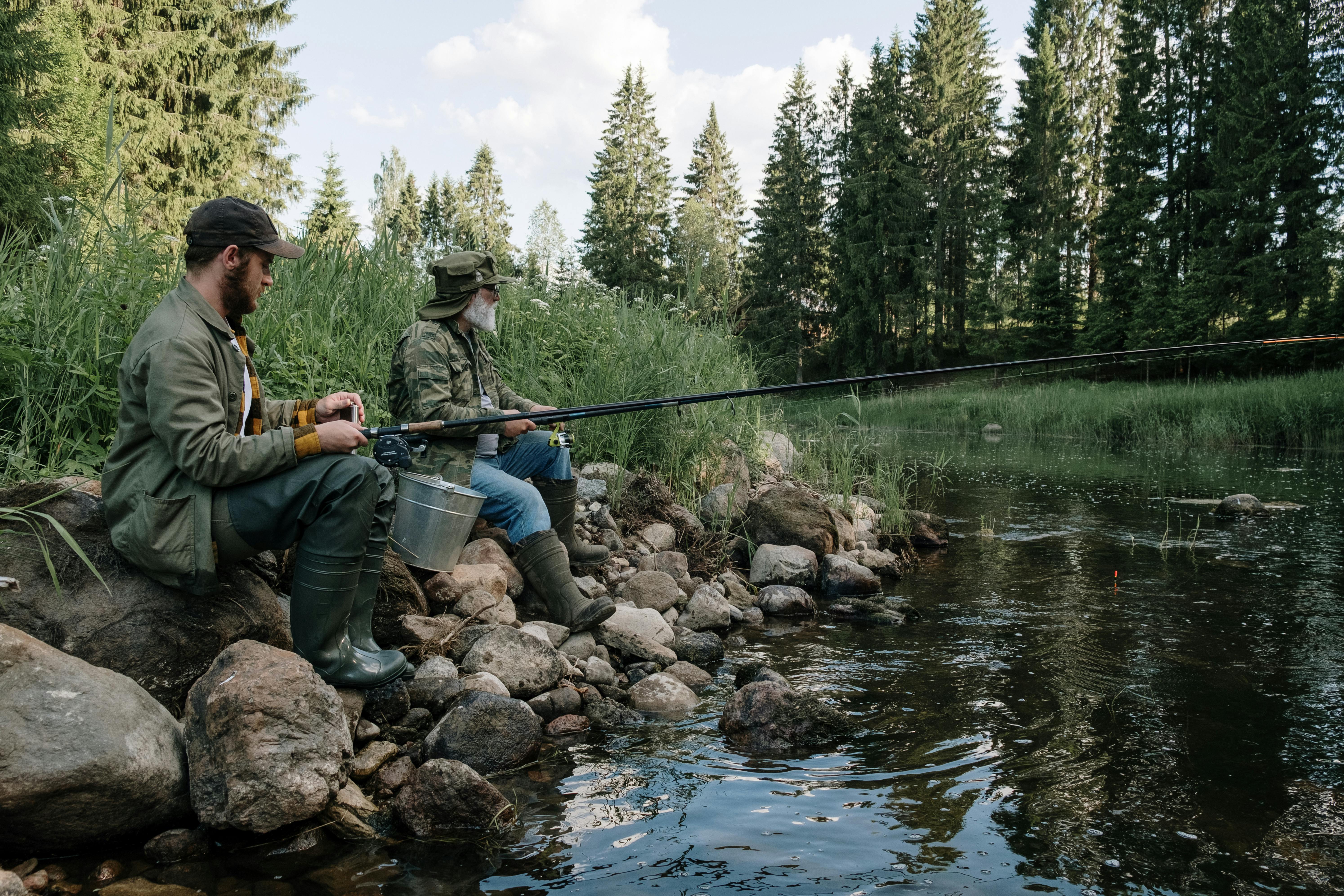
Fly fishing is an art, but it also requires the right gear to ensure safety, comfort, and performance. One of the most essential pieces of equipment for any angler is the Fly fishing boots. Choosing the right pair can make a significant difference in your fishing experience, whether you're wading through a gentle stream or navigating fast-moving rivers. With the right boots, you can focus on your cast and enjoy your time on the water without worrying about slipping or discomfort.
Understanding the Importance of Fly Fishing Boots
Not all boots are created equal. Fly fishing boots are specially designed to provide traction, support, and protection while wading in various water conditions. Unlike regular footwear, these boots are built to handle slippery rocks, uneven riverbeds, and long hours of standing in cold water. Investing in a high-quality pair of fly fishing boots ensures your feet stay dry, warm, and stable throughout your angling adventures.
Types of Fly Fishing Boots
Fly fishing boots come in different types, each suited for specific fishing conditions. Understanding these types will help you select the best option for your needs.
Felt Sole Boots
Felt sole fly fishing boots have long been a favorite among anglers. They offer excellent traction on slippery rocks due to their rough texture. However, felt can pick up invasive species and is less durable in warm or rocky waters. If you're fishing in freshwater streams or rivers where traction is crucial, felt soles are a reliable choice.
Rubber Sole Boots
Rubber sole fly fishing boots are more versatile and durable. They provide good grip on both wet and dry surfaces and are ideal for fishing in rivers, lakes, or saltwater flats. These boots are easier to clean and maintain, making them a popular option for anglers who travel between fishing locations.
Studded and Cleated Boots
For extra stability, studded or cleated fly fishing boots are the best option. They feature metal or plastic studs that dig into rocks and slippery surfaces, preventing accidental slips. These are especially helpful when wading in fast-flowing rivers or uneven terrains.
Material Matters
The material of your fly fishing boots plays a crucial role in comfort, durability, and protection.
- Neoprene: Lightweight, flexible, and provides insulation, making it ideal for cold water fishing.
- Leather: Durable and offers a traditional feel, often combined with rubber soles for traction.
- Synthetic fabrics: Quick-drying, lightweight, and resistant to water damage, perfect for warm climates.
Fit and Comfort
No matter how high-quality your fly fishing boots are, they will be useless if they don’t fit properly. Always try boots on with the socks you plan to wear while fishing. Your boots should be snug but not tight, allowing for natural foot movement. Pay attention to the arch support and heel fit to prevent fatigue during long fishing trips.
Boot Height and Wading Needs
The height of your fly fishing boots depends on where and how deep you plan to wade.
- Ankle boots: Best for shallow streams and small rivers. They offer mobility and are lighter to carry.
- Mid-calf boots: Ideal for moderate wading, providing extra protection from water and debris.
- Hip waders with attached boots: For deep river or lake wading, offering full waterproof coverage and insulation.
Traction and Safety Features
The primary function of fly fishing boots is to keep you safe on slippery surfaces. Look for boots with excellent traction patterns, reinforced soles, and additional safety features like ankle support. Cleats or studs can enhance stability, especially in fast currents or mossy rocks.
Maintenance and Longevity
To get the most out of your fly fishing boots, proper care is essential. Rinse your boots with fresh water after each fishing trip to remove dirt, algae, and debris. Allow them to air dry naturally, avoiding direct heat sources. Applying a waterproofing treatment or conditioner periodically can extend their lifespan and maintain comfort.
Budget Considerations
While it might be tempting to go for the cheapest pair, investing in quality fly fishing boots pays off in the long run. High-quality boots offer better support, durability, and safety. Consider your fishing frequency and water conditions to choose boots that balance performance with budget.
Choosing the Right Boot for Your Fishing Style
Your fishing style significantly affects your boot choice. If you primarily fish in cold, rocky rivers, neoprene boots with studs are ideal. For calm lakes and streams, rubber-soled boots may be sufficient. Always match your boots to the type of water, fishing frequency, and personal comfort preferences.
Conclusion
Selecting the perfect pair of fly fishing boots is essential for an enjoyable and safe angling experience. Understanding the types, materials, fit, and traction options allows you to make an informed choice. With the right boots, you can wade confidently, maintain balance on slippery surfaces, and focus on the joy of fly fishing. Whether you’re a beginner or an experienced angler, investing in quality boots tailored to your needs ensures every fishing adventure is comfortable, safe, and successful.