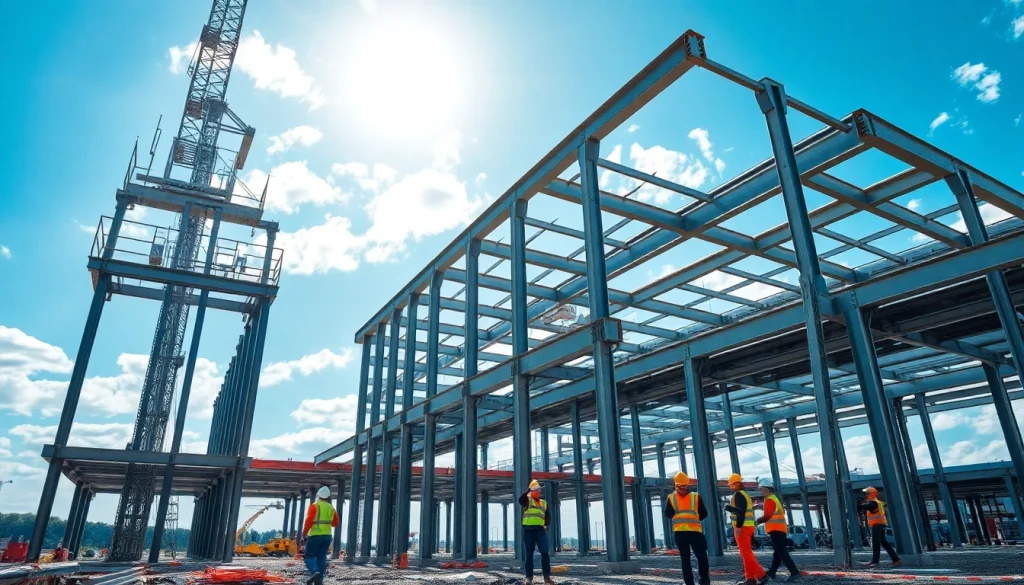
1. What is Structural Steel Construction?
Structural steel construction refers to the use of steel to create frameworks and components that comprise the skeleton of buildings and other structures. This method leverages the remarkable strength, durability, and versatility of steel, making it a favored material in the construction industry. Defined as a carbon-based metal available in various grades, structural steel must meet stringent industry standards set forth by organizations like ASTM International to ensure safety and structural reliability. Structural steel construction has evolved significantly, continuously incorporating new technologies and methodologies to enhance efficiency and effectiveness.
1.1 Definition and Composition
At its core, structural steel comprises iron alloyed with carbon and other elements to improve strength and ductility. It is typically shaped into standardized forms such as beams, columns, and plates, which can be assembled into frameworks for buildings, bridges, and other infrastructural projects. Various grades of structural steel are available, including ASTM A36, ASTM A992, and ASTM A572, each providing unique properties tailored to specific construction needs.
1.2 Historical Context and Evolution
The use of steel in construction dates back to the 19th century when the Industrial Revolution catalyzed advancements in metallurgical processes. The introduction of mild steel and the Bessemer process for mass production significantly transformed the construction landscape, allowing for the design of larger and more resilient buildings. Over the decades, significant innovations such as the use of high-strength steel, improved fabrication techniques, and computer-aided design (CAD) have continually advanced structural steel construction, making it essential for modern architectures like skyscrapers and bridges.
1.3 Industry Standards and Types
To ensure safety and performance, the structural steel industry adheres to various codes and standards, including the American Institute of Steel Construction (AISC) specifications and International Building Code (IBC) regulations. Structural steel is classified into several categories based on design application, including:
- Standard beams
- Wide-flange beams
- Channels
- Angles
- Plates
Each category serves distinct functions in construction, providing critical support and structural integrity for buildings and other infrastructures.
2. Advantages of Structural Steel Construction
Structural steel construction offers a myriad of advantages that drive its popularity in building projects globally. Some of the most significant benefits include:
2.1 Durability and Longevity
One of the primary advantages of using structural steel is its inherent durability; it can withstand the ravages of environmental conditions better than many materials. Steel structures can last several decades, often exceeding a lifespan of 50 to 100 years when properly maintained. This longevity is particularly evident in coastal areas where wood structures may suffer decay, and in regions prone to harsh weather conditions.
2.2 Cost-Effectiveness in Construction
Despite a higher initial material cost compared to some alternatives, structural steel can lead to lower overall construction costs. Its strength-to-weight ratio allows for lighter structures, reducing foundation requirements and enabling faster construction times. Moreover, prefabricated steel components can be manufactured ahead of time, minimizing on-site labor costs and overall project timelines, resulting in cost savings for developers and contractors alike.
2.3 Flexibility and Design Versatility
Structural steel’s high degree of flexibility allows architects and engineers to design innovative structures that would be challenging with other materials. The ability to fabricate complex shapes and sizes supports unique architectural designs, accommodating varied aesthetic visions while ensuring structural safety. Its versatility also extends to reinforcements in seismic zones, using techniques like moment-resisting frames to enhance resistance against vibrations.
3. Key Components of Structural Steel Construction
Successful implementation of structural steel construction heavily relies on understanding its main components, including steel shapes, tools, and safety measures:
3.1 Common Steel Shapes and Their Uses
Understanding the types of steel shapes used in construction is vital for creating effective structures. Some of the most common shapes include:
- W-beam (Wide Flange): Often used for beams and girders due to its high strength and stability.
- HSS (Hollow Structural Sections): Used for columns and frames, providing aesthetic appeal with rectangular and circular profiles.
- I-beam: Traditionally used in bridges and buildings for load-bearing walls.
- T-beam: Used for floors and ceilings, particularly in residential construction.
3.2 Essential Tools and Equipment
Efficiency in structural steel construction is driven by the use of specialized tools and equipment, which include:
- Cranes: Essential for lifting and placing heavy steel components in high-rise construction.
- Welding machines: Utilized for fusing steel parts together—crucial for ensuring structural integrity.
- Plasma cutters: For precise cutting of steel to reduce waste and improve fit.
3.3 Safety Measures and Best Practices
The safety of workers and the structural integrity of the build are paramount in construction sites. Best practices include:
- Conducting regular safety training and certifications for workers.
- Using appropriate personal protective equipment (PPE) like hard hats, gloves, and harnesses.
- Implementing strict site protocols to minimize hazards and ensure compliance with OSHA regulations.
4. Structural Steel Construction Techniques
The methods used in structural steel construction are crucial in determining the quality and efficiency of the build. Key techniques include welding, bolting, and prefabrication:
4.1 Welding and Bolting Methods
The two principal joining methods in structural steel construction are welding and bolting. Welding provides strong, permanent connections, beneficial for high-stress applications. Different welding techniques, such as arc welding and MIG welding, are employed based on the structural requirements and material thickness. Conversely, bolting offers flexibility, allowing for easier disassembly and repairs, and is commonly used when assembling steel frames.
4.2 Prefabrication: Benefits and Challenges
Prefabrication involves the manufacturing of steel components off-site, allowing for greater control over quality and reducing on-site construction time. While this method offers multiple benefits, such as boosting productivity and reducing waste, it also comes with challenges, including the need for precise measurements and transportation logistics to deliver the components to the site without damage.
4.3 Assembly Process on Site
The on-site assembly of prefabricated steel components is vital for the construction timeline. The process typically involves:
- Preparing the site by laying foundations and building temporary structures.
- Using cranes to lift and position steel frames.
- Connecting beams and columns through bolting or welding, followed by inspections to ensure structural integrity.
This process requires meticulous planning and coordination among various teams to ensure safety and efficiency.
5. Future Trends in Structural Steel Construction
The landscape of structural steel construction is ever-evolving, influenced by technological advancements and changing market demands. Key trends shaping the future of the industry include sustainable practices, innovations in manufacturing, and anticipated growth:
5.1 Sustainable Practices in Steel Usage
Amid growing environmental concerns, the construction industry is increasingly adopting sustainable practices, including the use of recycled steel and minimizing waste during fabrication processes. Steel is also highly recyclable, contributing to eco-friendly designs in modern buildings. The incorporation of green building certifications, such as LEED (Leadership in Energy and Environmental Design), incentivizes the use of sustainable materials and practices.
5.2 Innovations in Steel Manufacturing
Innovative manufacturing processes, such as additive manufacturing and robotics, are becoming integrated into steel production, enhancing efficiency and precision. These advancements allow for complex designs and reductions in production time and costs while improving overall quality.
5.3 Predictions for Industry Growth
With urbanization and infrastructural developments on the rise, the structural steel construction industry is poised for significant growth in the coming years. The demand for high-rise buildings, commercial spaces, and infrastructural improvements is expected to continue, driving innovations and competitive strategies among contractors and manufacturers. As cities evolve to accommodate larger populations, the need for adaptable and resilient construction solutions will only rise.