A Smart Home in 2026 is no longer just about convenience—it is about creating a living space that is safer, more efficient, and tailored to the needs of modern homeowners. Smart home upgrades combine security, automation, energy management, and lifestyle enhancements to improve comfort and simplify daily routines. By strategically implementing smart devices and systems, homeowners can protect their property, save money, and enjoy a seamlessly connected home environment that adapts to their lifestyle.
- Understanding Smart Home Upgrades
- Security-Focused Smart Home Upgrades
- Climate and Environmental Upgrades
- Energy and Efficiency Upgrades
- Automation and Centralized Control Upgrades
- Lifestyle and Entertainment Upgrades
- Health and Wellness-Focused Upgrades
- Planning and Implementing Smart Home Upgrades
- Long-Term Benefits of Smart Home Upgrades
- Conclusion
- FAQs
Understanding Smart Home Upgrades
Smart home upgrades involve the addition or enhancement of devices and systems to improve functionality, safety, and efficiency. Unlike basic smart home setups, upgrades often involve integration, automation, and advanced technologies.
Why Smart Home Upgrades Matter
Upgrades ensure that a home remains relevant and capable of supporting modern living standards. They address gaps in security, energy efficiency, convenience, and accessibility, providing tangible benefits for daily life.
Types of Smart Home Upgrades
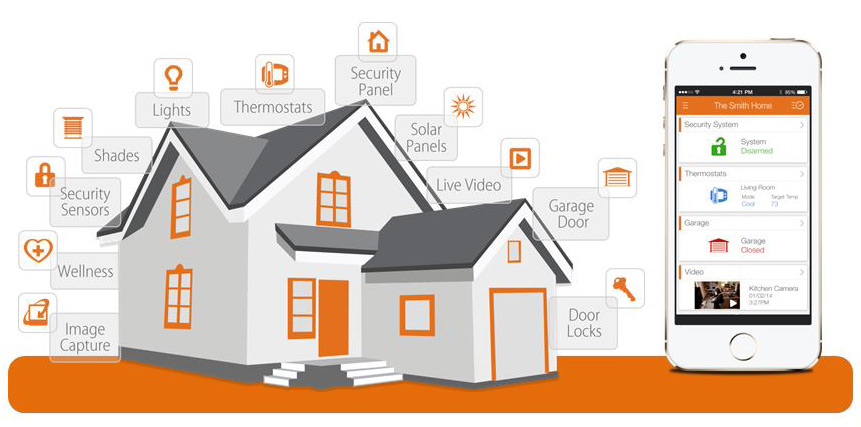
Smart home upgrades can be categorized into several areas:
- Security enhancements
- Climate and environmental control improvements
- Energy-saving and efficiency-focused upgrades
- Automation and control hubs
- Lifestyle and entertainment enhancements
- Health and wellness integrations
These upgrades work together to create a home that is both safer and more convenient, enhancing the overall quality of life.
The Role of Integration
Integration is critical for maximizing the impact of smart home upgrades. When devices communicate and work together, they provide coordinated responses to events, automate routines, and optimize energy and security management.
Security-Focused Smart Home Upgrades
Safety is a top priority for smart home upgrades, as advanced security systems protect both property and residents.
Smart Cameras and Surveillance Enhancements
Upgrading existing cameras or adding new ones enhances monitoring capabilities. Modern features include:
- High-definition video recording with night vision
- AI-powered motion and facial recognition
- Two-way audio for remote communication
- Integration with alarms, lights, and locks
These upgrades provide real-time monitoring and coordinated security responses to potential threats, deterring intruders and offering evidence in case of incidents.
Smart Locks and Entry Management
Smart lock upgrades replace conventional locks with digital access systems that allow:
- Remote locking and unlocking via apps or voice commands
- Temporary access codes for visitors or service personnel
- Activity logs to monitor who enters and exits
Integrated with cameras and alarms, smart locks provide an additional layer of safety and convenience.
Advanced Motion Sensors and Environmental Detection
Upgrading motion sensors ensures accurate detection and minimizes false alerts. Environmental detection upgrades, such as smoke, carbon monoxide, and water leak sensors, protect against hazards that can cause property damage or endanger lives.
Alarm and Notification Systems
Modern smart alarms can be upgraded to integrate with other devices, allowing coordinated responses such as:
- Activating cameras and lights during a security breach
- Sending instant notifications to mobile devices
- Triggering automatic emergency service calls when necessary
Climate and Environmental Upgrades
Smart home upgrades extend beyond security to optimize comfort and environmental efficiency.
Smart Thermostats and HVAC Systems
Upgrading to a smart thermostat or integrating it with HVAC systems allows for:
- Learning household routines and adjusting temperatures automatically
- Scheduling heating and cooling to reduce energy usage
- Integration with weather forecasts to optimize settings and costs
Air Quality and Environmental Sensors
Upgrades to air quality monitors and environmental sensors help detect pollutants, allergens, and humidity levels. These systems can automatically adjust purifiers, humidifiers, and ventilation to maintain a healthy indoor environment.
Smart Fans and Ventilation Control
Upgrading fans and ventilation systems allows automated airflow management, enhancing comfort while saving energy and maintaining air quality.
Energy and Efficiency Upgrades
Smart home upgrades focused on energy efficiency reduce costs while supporting sustainability.
Smart Lighting Systems
Replacing traditional bulbs with smart lighting systems offers:
- Motion-activated lights to reduce energy waste
- Scheduled lighting to match daily routines
- Color and brightness control for comfort and ambiance
Smart Plugs and Energy Monitors
Upgrading to smart plugs allows homeowners to monitor appliance energy consumption and automate usage, reducing electricity costs and preventing waste. Centralized energy monitors provide insights into patterns and identify opportunities for savings.
Solar Integration and Energy Storage
Advanced smart home upgrades may include integration with solar panels and energy storage systems, allowing homes to generate and store energy efficiently, lowering utility bills and environmental impact.
Automation and Centralized Control Upgrades
Automation upgrades improve convenience, safety, and overall functionality of a smart home.
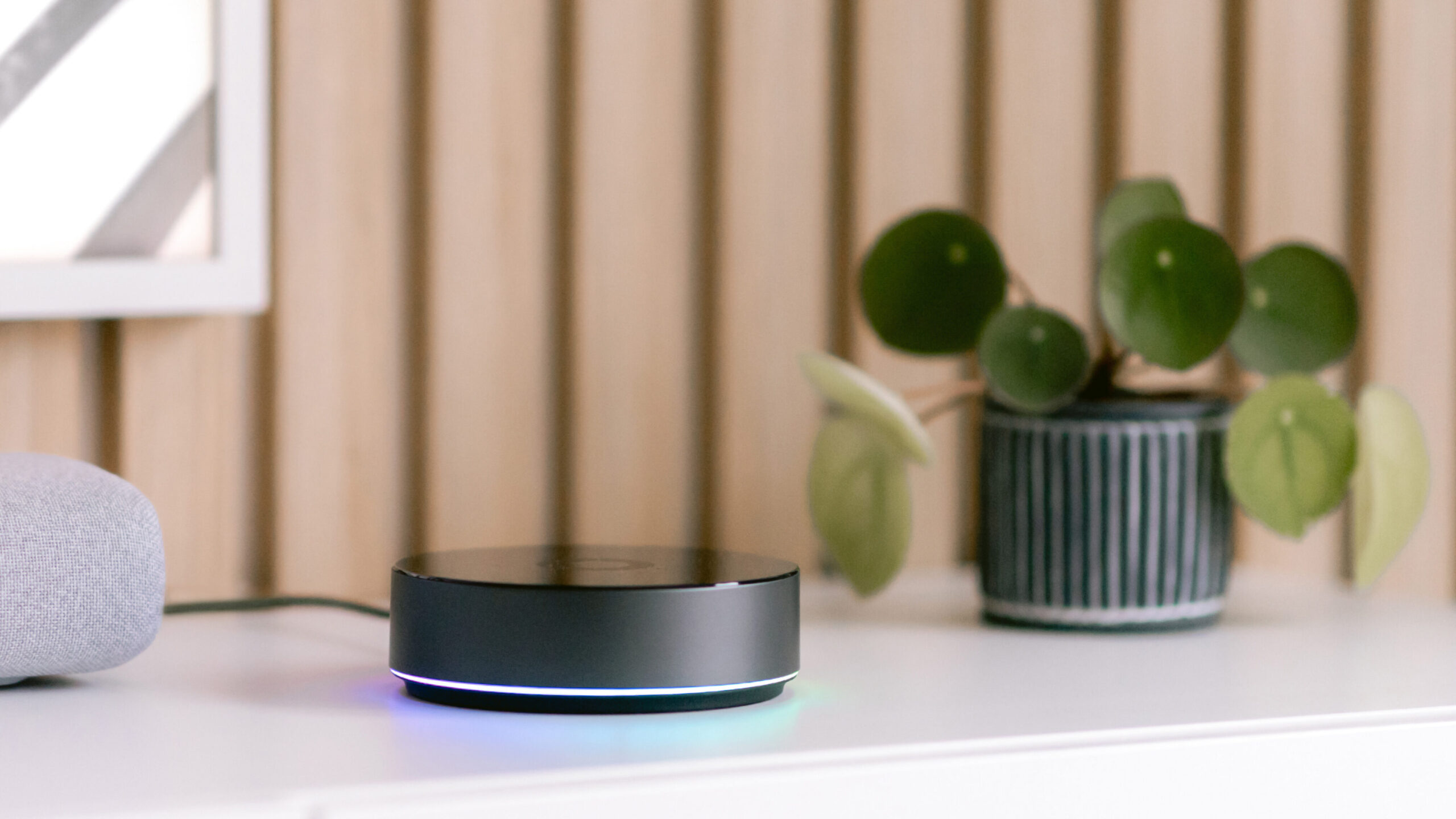
Smart Hubs and Control Panels
Upgrading to a centralized control hub enables:
- Unified control of security, lighting, climate, and entertainment systems
- Simplified management of multiple devices
- Creation of automated routines that enhance convenience and safety
Mobile App and Voice Assistant Integration
Integration with mobile apps and voice assistants allows remote monitoring and control, providing homeowners with full command over their environment from anywhere.
Event-Triggered Automation
Smart home automation can be upgraded to respond to specific events, such as:
- Activating lights and cameras when motion is detected
- Adjusting temperature and lighting during emergencies
- Turning off appliances or shutting water valves when hazards are detected
Personalized Routines
Upgrades allow for personalized routines tailored to individual household habits, improving efficiency, safety, and comfort without constant manual input.
Lifestyle and Entertainment Upgrades
Modern smart home upgrades also enhance lifestyle, making homes more enjoyable and user-friendly.
Multi-Room Audio and Smart Speakers
Upgrading to multi-room audio systems allows synchronized playback across the home, controlled via apps or voice commands, creating immersive experiences for music, podcasts, or announcements.
Smart TVs and Entertainment Systems
Upgraded entertainment systems integrate with smart home devices to automate lighting, sound, and screen settings, providing seamless movie nights, gaming experiences, or streaming routines.
Personalized Automation for Entertainment
Advanced routines can adjust lighting, temperature, and audio based on activities such as watching movies, hosting guests, or relaxing, ensuring comfort and convenience.
Health and Wellness-Focused Upgrades
Smart home upgrades can improve health and well-being by monitoring conditions and enhancing comfort.
Sleep Optimization Systems
Upgrading smart lighting, climate control, and mattresses improves sleep quality by maintaining optimal conditions automatically.
Fitness and Activity Integration
Smart mirrors, connected exercise equipment, and wearables can be integrated into the home ecosystem to track activity, provide feedback, and encourage healthier routines.
Indoor Air Quality Management
Upgrading air purifiers, humidifiers, and environmental sensors ensures optimal indoor air quality, particularly important for families with children, elderly residents, or individuals with respiratory conditions.
Planning and Implementing Smart Home Upgrades
Successful upgrades require thoughtful planning to maximize benefits, cost-effectiveness, and long-term adaptability.
Assessing Household Needs
Identify areas that need improvement in security, convenience, efficiency, or lifestyle. Prioritize upgrades based on risk, potential savings, and overall impact.
Choosing Compatible Devices
Select devices that integrate seamlessly with existing smart home systems to ensure smooth operation, automation, and centralized control.
Designing Automation and Routines
Plan automation routines to optimize safety, comfort, and energy efficiency. Coordinated responses between devices maximize effectiveness and minimize unnecessary alerts.
Maintenance and Firmware Updates
Regular updates and maintenance keep smart devices functioning properly, maintaining security, efficiency, and reliability over time.
Long-Term Benefits of Smart Home Upgrades
Smart home upgrades deliver lasting value through enhanced security, comfort, efficiency, and lifestyle improvements.
Improved Safety and Peace of Mind
Integrated upgrades provide continuous monitoring, automated responses, and proactive alerts, reducing the risk of accidents, theft, and property damage.
Energy Savings and Financial Efficiency
Smart climate control, lighting, and appliance management reduce utility costs, increase efficiency, and support sustainable living.
Enhanced Comfort and Lifestyle
Automation and personalization improve daily routines, allowing homeowners to focus on meaningful activities instead of manual home management.
Scalability and Future-Ready Homes
Upgraded systems are scalable and adaptable, allowing homeowners to incorporate new technologies over time without compromising the effectiveness of existing devices.
Increased Property Value
A home equipped with advanced smart technology is more appealing to buyers, offering enhanced convenience, safety, and efficiency that can boost property value.
Conclusion
Smart home upgrades in 2026 provide a powerful combination of safety, convenience, efficiency, and lifestyle enhancement. By integrating advanced cameras, smart locks, sensors, lighting, climate control, entertainment systems, and health-focused devices, homeowners can create a cohesive, intelligent living environment. Automation and central control maximize benefits, reducing energy costs, improving safety, and simplifying daily routines. Planning and implementing thoughtful upgrades ensures a home that is not only modern and efficient but also adaptable for future technology advancements, offering long-term value, comfort, and peace of mind. Our homepage is the perfect place to begin your learning journey.
FAQs
What are the most impactful smart home upgrades for safety?
The most impactful upgrades include advanced cameras, smart locks, motion sensors, smoke and carbon monoxide detectors, water leak sensors, and integrated alarm systems, as they provide comprehensive monitoring and proactive protection.
How can smart home upgrades save money?
Upgrades such as smart thermostats, automated lighting, energy monitoring systems, and efficient appliances reduce energy consumption, prevent damage, and optimize household operations, resulting in lower utility bills and long-term savings.
Are smart home upgrades suitable for all homes?
Yes, smart home upgrades are scalable and customizable, making them suitable for small apartments, large houses, or multi-occupant properties. Devices can be tailored to address security, comfort, and energy efficiency needs specific to each household.