Understanding the Role of a Destination Photographer
What Defines a Destination Photographer?
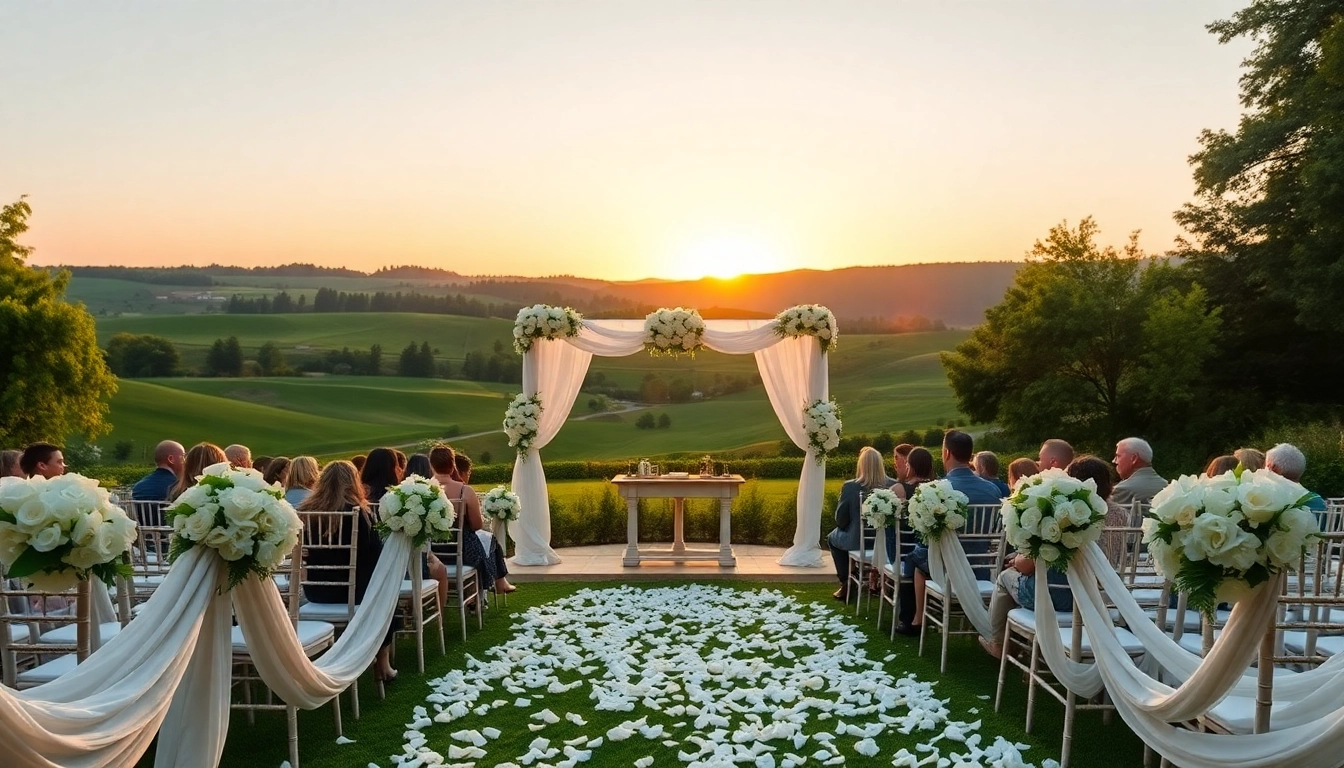
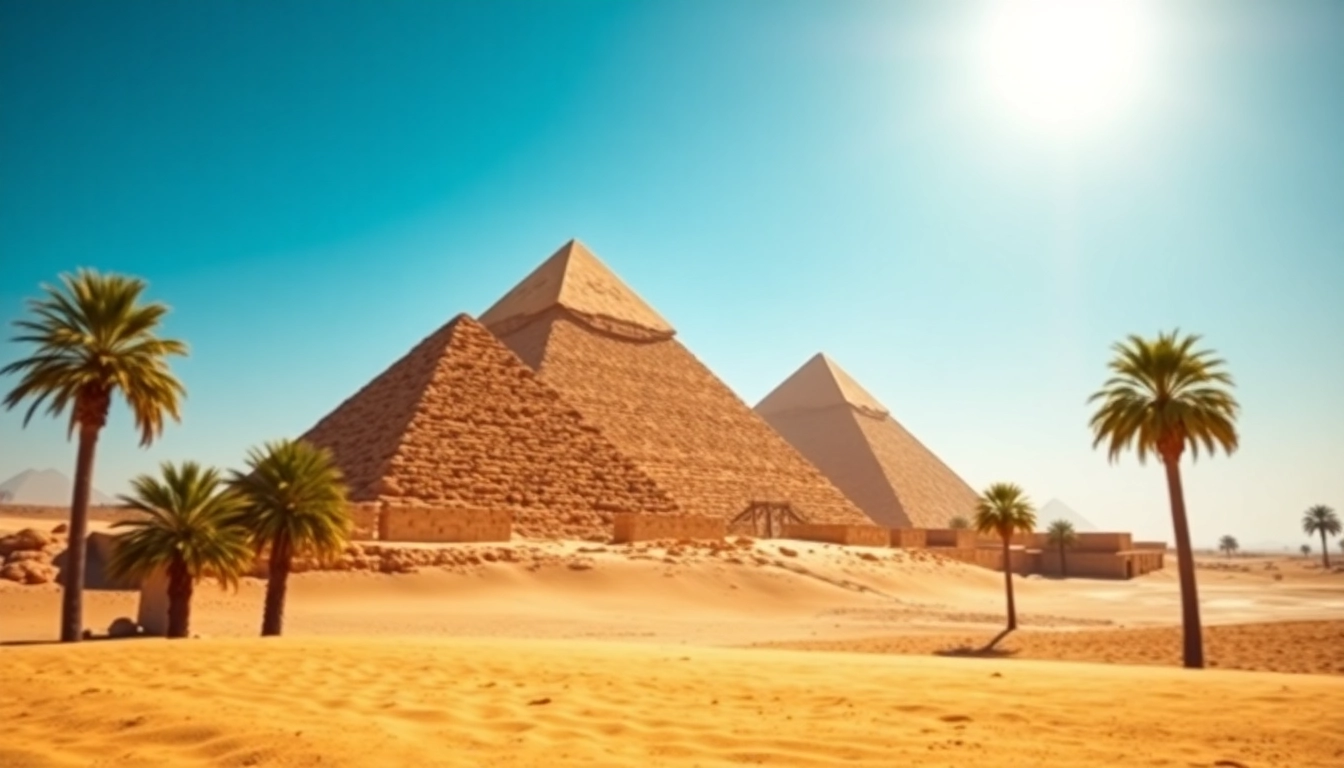
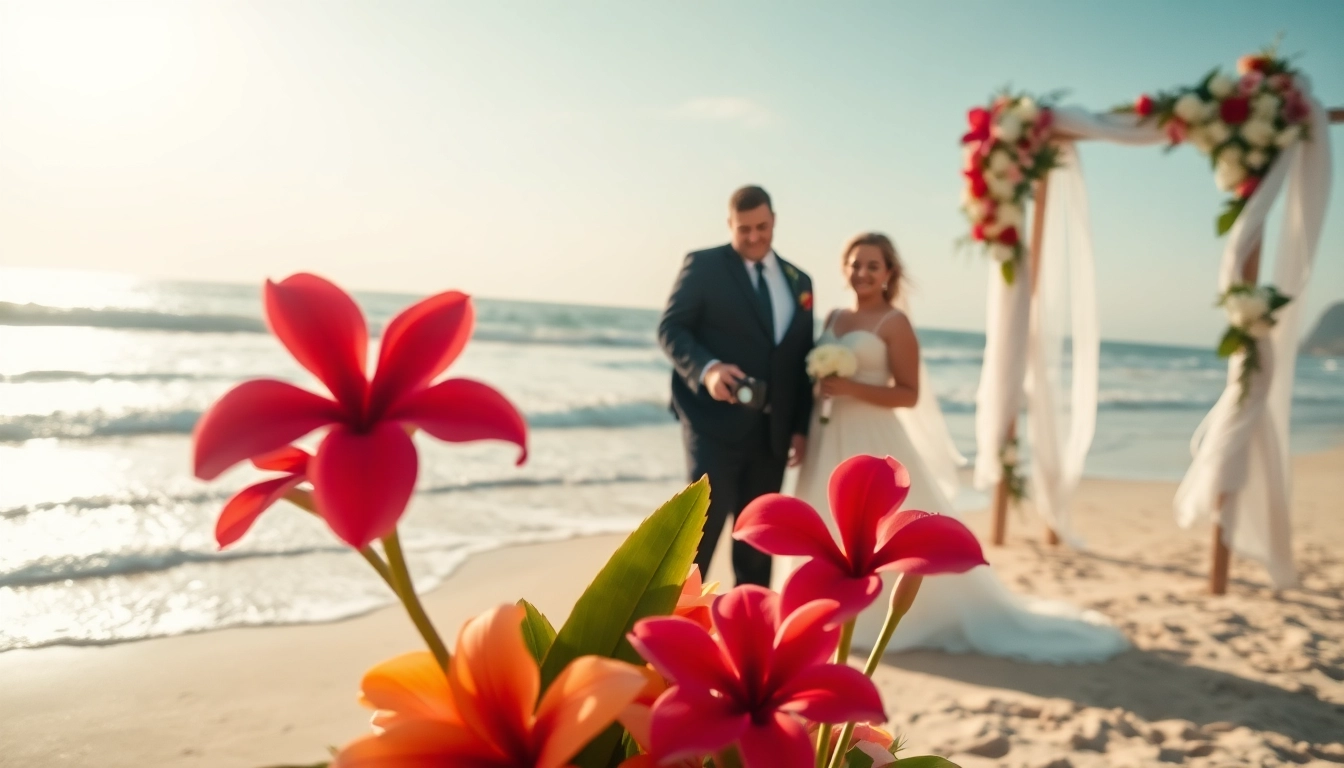
A Destination photographer is a specialized professional who captures significant life events such as weddings, engagements, and family reunions at various locations, often away from the photographer’s home base. These photographers possess the skills and knowledge not only to take beautiful photos but also to understand how to integrate local culture, landscapes, and lighting into their work. They often travel to unique or exotic locations and know how to use the environment to enhance their storytelling.
Key Duties and Responsibilities
The role of a destination photographer encompasses various responsibilities, extending beyond simply shooting images. Here are some key duties:
- Client Consultation: Meeting clients before the event to understand their vision, preferences, and style.
- Location Scouting: Visiting and researching potential shooting sites to identify the best spots for photos.
- Logistics Management: Handling travel arrangements, accommodation, and equipment transportation to the destination.
- Building a Narrative: Capturing the essence of the event and the personalities involved, creating a visual story.
- Post-Processing: Preparing, editing, and delivering the final images in a timely manner.
The Importance of Location in Photography
The choice of location can dramatically affect the quality and mood of photographs. A destination photographer must consider various elements like scenery, architecture, and cultural significance when selecting a backdrop for shoots. The location should align with the client’s personal story, offering its unique charm and aesthetics. Furthermore, understanding local weather patterns can help photographers select the right times for optimal lighting conditions, thus elevating the overall quality of images captured.
Choosing the Perfect Destination for Your Event
Factors to Consider When Selecting Locations
Choosing the right destination for your event involves careful consideration of multiple factors. Here’s what to keep in mind:
- Accessibility: The destination should be easily reachable for you and your guests. Consider transportation options and travel time.
- Accommodations: Availability of suitable lodging and amenities for guests is essential, especially for destination weddings.
- Cultural Significance: A location that holds meaning for you can make the photography even more special.
- Seasonal Considerations: Research the best times of the year for the locale regarding climate, colors, and events.
- Regulations: Some locations may have restrictions on photography, which could influence your choice.
Popular Destinations for Photographic Excellence
When considering destination photography, several global locations stand out for their breathtaking landscapes and unique settings:
- Bali, Indonesia: Known for its lush scenery, rice terraces, and stunning beaches.
- Santorini, Greece: Famous for its white-washed buildings, blue domes, and sunsets over the Aegean Sea.
- Banff, Canada: A paradise for nature lovers, offering majestic mountains and turquoise lakes.
- Paris, France: The epitome of romance, providing countless iconic backdrops for any photography session.
- Tokyo, Japan: An exciting blend of modernity and tradition, with vibrant cityscapes and peaceful temples.
How Weather Impacts Photography Plans
Weather plays a crucial role in photography. Factors like sunlight intensity, cloud cover, and precipitation can greatly impact the final images. Before scheduling a photography session, it is advisable to:
- Check the forecast for the selected date and location.
- Consider alternative indoor locations in case of unexpected rain.
- Utilize early morning or late afternoon light for softer, more flattering photos.
Understanding seasonal weather patterns can also help you plan for the best possible outcome.
Planning Your Photography Session
How to Prepare for the Shoot
Preparation is vital for the success of your photography session. Here’s how to ensure everything runs smoothly:
- Communicate with Your Photographer: Discuss your vision, style preferences, and any particular shots you wish to have.
- Scout the Location: If possible, visit the location in advance to envision the shoot and note potential spots for photos.
- Plan Your Outfits: Select outfits that complement the surroundings and align with the overall tone you want for your images.
- Confirm Logistics: Ensure all arrangements are in place, including transport, permissions, and meeting times.
Suggested Timelines for Best Lighting
The right lighting can make or break your photos. For outdoor shoots, consider these timeline tips:
- Golden Hour: This is the period shortly after sunrise or before sunset when the light is soft and warm, creating stunning visuals.
- Noon Sun: If you must shoot during peak hours, seek shaded areas to avoid harsh shadows and squinty eyes.
- Cloudy Days: Overcast skies provide diffuse lighting, ideal for portraits, as it softens features and minimizes harsh contrasts.
Engaging with Your Photographer Effectively
Engagement with your photographer is key to achieving your desired outcomes. Here’s how to communicate effectively:
- Be Open: Share your thoughts, ideas, and inspirations with your photographer.
- Trust their Expertise: Photographers have experience with what works best visually. Listen to their suggestions.
- Provide Feedback: Offer constructive feedback during the shoot for optimal results.
Post-Session: The Editing Process
Understanding Photo Editing Techniques
Editing is where the magic truly happens. Skills in post-processing technology can transform great shots into stunning images. Common techniques include:
- Color Correction: Adjusting colors for natural tones or creating a specific mood.
- Retouching: Enhancing skin tones, reducing blemishes, and refining details in portraits.
- Compositing: Combining multiple images for artistic effects or to create dream-like scenes.
How Long Should You Wait for Your Photos?
The timeline for receiving your edited images can vary based on the photographer’s workload and the package you select. Typically, expect to wait anywhere from two weeks to three months. During this period, many photographers offer sneak peeks to keep clients excited.
Choosing Your Favorite Images
After receiving your gallery, selecting your favorite images can be a delightful yet overwhelming experience. Here are some tips:
- Trust Your Instincts: Select images that evoke the strongest emotions or resonate with your vision.
- Consider Variety: Opt for a mixture of wide shots, close-ups, and candid moments to tell your story comprehensively.
- Get Feedback: Share your favorites with friends or family for their opinions before finalizing your choices.
Frequently Asked Questions about Destination Photography
What is a Destination Photographer?
A Destination photographer is a specialist who travels to various locations to capture significant moments, ensuring unique backdrops enhance the overall aesthetics of photographs.
How Do I Choose a Good Destination Photographer?
Review portfolios, read testimonials, meet in-person or via video calls, and assess their experience with your chosen location to ensure quality and compatibility.
What Should I Look for in a Photography Package?
Ensure the package includes services like pre-shoot consultations, post-processing, and the number of edited images delivered. Check for hidden costs and rights to images.
How Do I Prepare for a Destination Photography Shoot?
Communicate with your photographer, scout the location, plan outfits, confirm logistics, and establish a clear timeline to prepare effectively for the shoot.
What Are the Costs Associated with Destination Photography?
Costs vary based on location, travel expenses, and the photographer’s experience level. Budget for travel, accommodation, and additional services beyond the shoot itself.