The Role of a Steel Fabrication Shop in Construction
In the modern construction landscape, the significance of a steel fabrication shop cannot be overstated. These specialized facilities transform raw steel into the intricate components required for constructing commercial and civil infrastructure, ensuring that projects not only meet but exceed structural integrity standards. In this article, we will delve deep into the function of steel fabrication shops, their importance in modern construction techniques, and why selecting the right provider can drastically impact project success.
Understanding Steel Fabrication
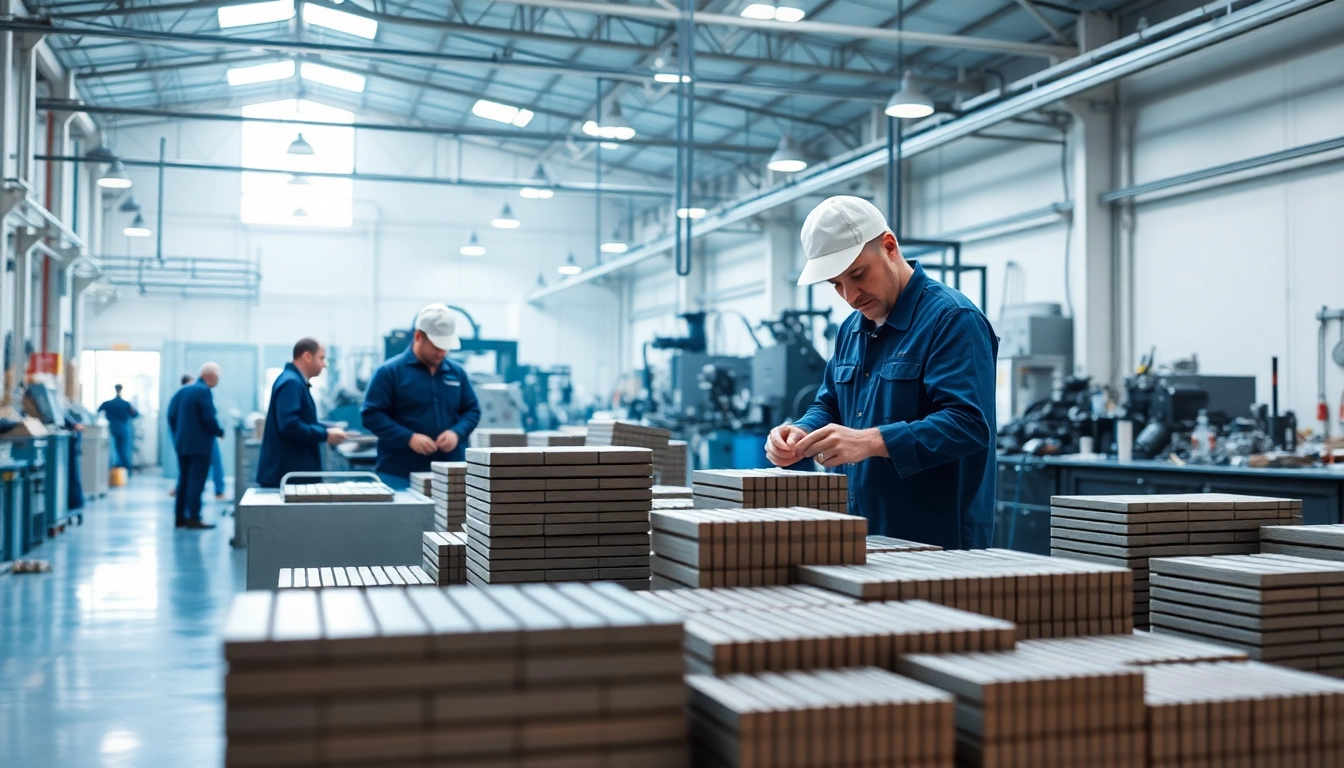
Steel fabrication is the process of shaping and assembling steel materials into components used in construction. This complex procedure entails several steps, including cutting, welding, machining, and assembling. At its core, the goal of steel fabrication is to produce high-quality steel products tailored to meet specific project requirements.
The fabrication process often begins with detailed designs and specifications provided by engineers or architects, which are translated into precise building components. Advanced tools and technologies play a critical role in ensuring these components are manufactured with the utmost precision and efficiency.
The Importance in Modern Construction
As construction methodologies evolve, steel’s versatility, strength, and durability make it a preferred material for numerous applications, from commercial buildings to bridges and beyond. Steel fabrication is essential for a range of reasons, including:
- Structural Integrity: Steel’s tensile strength provides buildings and structures with significant load-bearing capabilities, ensuring safety and stability.
- Speed of Construction: Pre-fabricated steel components can significantly reduce construction timelines, allowing for quicker project delivery.
- Design Flexibility: Steel’s adaptability allows for innovative architectural designs that may not be feasible with other materials.
- Cost Efficiency: Though initial costs may be higher, the longevity and reduced maintenance of steel structures provide long-term financial advantages.
Key Services Offered by Steel Fabrication Shops
Steel fabrication shops offer a myriad of services tailored to meet the diverse needs of construction projects. Some of the key services include:
- Custom Fabrication: Tailoring components to meet specific project specifications.
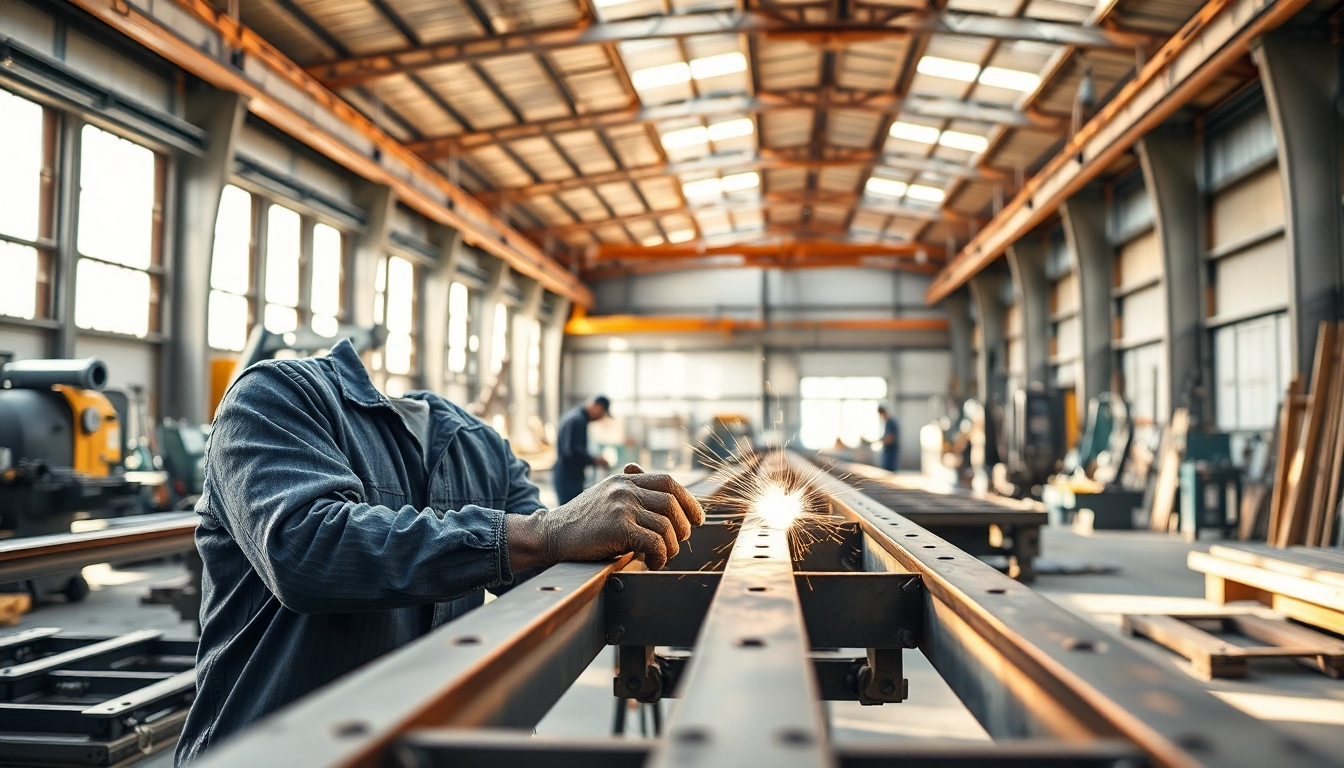
- Welding Services: Providing various welding applications, including MIG, TIG, and stick welding techniques.
- Cutting and Machining: Utilizing automated cutting techniques like plasma cutting and laser cutting for precision.
- Assembly Services: Pre-assembling major steel components off-site to streamline on-site installation.
- Consultation and Engineering Support: Collaborating with architects and engineers to optimize designs for manufacturability.
Choosing the Right Steel Fabrication Shop
Choosing the right steel fabrication shop is critical in determining the success of your construction project. However, with numerous options available, it can be challenging to ensure that you’re making the best choice. Here are key considerations that can guide your decision process:
Factors to Consider When Selecting a Shop
When selecting a steel fabrication shop, one should consider several vital factors, including:
- Experience and Expertise: Look for a shop with significant experience in your desired type of project, as this indicates their ability to tackle specific challenges.
- Certifications: Verify that the shop is certified and adheres to industry standards. This is critical for ensuring quality and safety.
- Technology and Equipment: Investigate the tools and technology they use; modern equipment can lead to higher precision and efficiency.
- Previous Projects: Review their portfolio to gauge their capabilities and observe the quality of their past works.
Assessing Quality and Reliability
Quality and reliability are paramount in steel fabrication. To assess these factors:
- Request samples or visits to previous project sites.
- Seek client testimonials and case studies to understand feedback regarding their experiences.
- Review their quality control measures to ensure they adhere to strict fabrication standards.
Comparing Services and Pricing
Price is undoubtedly an important factor, but it should not be the sole decision-making criterion. Compare the services offered by different shops. Ensure you are getting a good balance of quality, service, and cost. Keep in mind that the cheapest option may compromise on quality, leading to potential long-term costs.
Innovative Trends in Steel Fabrication
The steel fabrication industry is continually evolving with new technologies and practices. Understanding these innovative trends can inform your decision-making process and project specifications.
Advanced Technologies in Fabrication
Advancements in technology are revolutionizing steel fabrication. Some notable technologies include:
- Computer Numerical Control (CNC) Machines: These machines automate the cutting, drilling, and machining of steel components, resulting in high precision.
- 3D Modeling and Design Software: Utilizing software like CAD (Computer-Aided Design) enhances the design process, allowing for more complex structures.
- Robotics: Robotic welding and assembly lines are reducing human error and increasing efficiency.
- Sustainable Manufacturing Technologies: Innovations in recycling and sustainable practices are making steel fabrication more eco-friendly.
Sustainability Practices in Steel Fabrication
Sustainability is a growing concern across all industries, including steel fabrication. Many shops are adopting eco-friendly materials, minimizing waste production, and utilizing recycled steel. These practices not only benefit the environment but can also improve project competitiveness in terms of compliance with environmental regulations.
Future Prospects in Steel Industry
The future of the steel fabrication industry looks promising with trends pointing towards increased automation, enhanced materials, and sustainable practices. With rapid developments in technology, steel fabrication shops that invest in these advancements will likely lead the market, ultimately affecting global construction trends.
Common Challenges in Steel Fabrication
While there are many advantages to utilizing a steel fabrication shop, common challenges can arise in the industry. Tackling these challenges effectively is crucial for maintaining quality and timelines in construction projects.
Addressing Material Limitations
One of the significant challenges in steel fabrication is sourcing high-quality materials. Fluctuations in the price of steel and accessibility can impact project costs and timelines. To address this, collaboration with multiple suppliers can provide alternative sourcing options during material shortages.
Dealing with Project Delays
Delays in the steel fabrication process can cascade into broader construction issues. To mitigate this risk, strong project management and clear communication between all stakeholders are essential. Setting realistic timelines and maintaining agility within the fabrication process can also help manage delays effectively.
Ensuring Compliance with Codes and Standards
Steel fabrication shops must adhere to various building codes and industry standards. Failure to comply can lead to safety issues and costly rework. By staying updated on the latest regulations and investing in training for staff, shops can ensure they meet compliance requirements consistently.
Maximizing Efficiency with a Steel Fabrication Shop
Efficiency in steel fabrication directly translates to productivity and cost savings in construction processes. Here are practical steps to maximize efficiency with a steel fabrication shop:
Streamlining the Fabrication Process
Streamlining the fabrication process involves optimizing each step to minimize waste and time. This can be achieved by employing lean manufacturing principles, which focus on reducing inefficiencies. Regular assessments of the workflow can identify areas for improvement.
Importance of Collaboration in Design
Effective communication and collaboration between architects, engineers, and fabricators are crucial for flawless execution of projects. When everyone involved shares a common understanding of the design intent and material specifications, the outcome is more likely to meet project requirements, minimizing changes and disruptions.
Metrics for Measuring Efficiency and Success
To gauge the effectiveness of the fabrication processes, it is vital to establish metrics for performance. Key performance indicators (KPIs) may include:
- Turnaround Time: Measure the time taken from order to delivery.
- Material Waste Percentage: Track the amount of scrap produced during fabrication.
- Quality Control Pass Rate: Monitor the percentage of items passing quality inspections on the first attempt.
- Cost Variance: Compare projected costs against actual expenditures to assess financial performance.
In conclusion, a steel fabrication shop plays a vital role in the construction industry, supporting projects with essential services that enhance quality, efficiency, and safety. As you embark on your next construction endeavor, understanding the value and implications of selecting a proficient steel fabrication shop can make a significant difference in your project’s success.